Search Results
6 results for “epiphora”

Canine and Feline Nasolacrimal Duct Obstruction (Epiphora)
Nasolacrimal duct obstruction blocks normal tear drainage in dogs and cats, causing chronic epiphora (tear overflow) and facial staining. Congenital duct atresia usually needs surgical correction, while acquired obstruction from conjunctivitis or injury is managed by treating the underlying cause.
Dealing with Cat Tear Stains
Tear overflow (epiphora) happens when tears overproduce or the nasolacrimal duct blocks, spilling onto the fur. The reddish-brown stain comes from porphyrin—an iron waste in tears that oxidizes in air and sunlight. Common causes: too much salt (human food, salty kibble), 'heat', ear infections that stimulate tearing, duct blockage, entropion (inward lashes), dacryoadenitis, and feline herpes (tears plus nasal discharge—watch unvaccinated cats). Genetics play a role too. Cut salty food and see a vet to find the true cause.
How do I treat a puppy with tearing eyes?
A puppy's tearing eyes can come from infection, a foreign object, a blocked tear duct, a breed trait, or ingrown eyelashes. Flat-faced breeds like the Pekingese and Shih Tzu are prone to epiphora and tear stains — just wipe discharge often. Rinse with saline or a pet eye wash; if it persists, see a vet.
How should I treat a puppy’s watery, tearing eyes?
Tearing can come from infection, irritants, blocked ducts, breed anatomy, or ingrown lashes; flat-faced breeds like Pekingese and Shih Tzu are prone to unavoidable epiphora, so keep eyes wiped. For sudden onset, rinse with saline or pet eye wash, and see a vet if it persists.
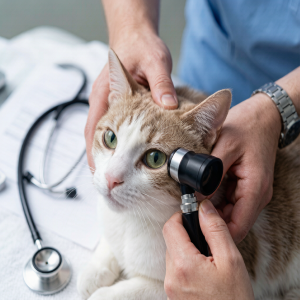
Common Cat Eye Diseases and Care
For cats, impaired eye function affects daily life and can make them irritable from a lack of security.
What Eye Diseases Can Cats Develop?
The eyes are the windows to the soul; a cat's agility and charm are thanks to its eyes. Today we discuss feline eye diseases.