Search Results
7 results for “enzymatic cleaner”
How to train a Teddy to use the toilet area?
To train a Teddy (Poodle) to relieve itself in a designated spot, take it there on a regular schedule, use a command, and reward success, while cleaning accidents with enzymatic cleaner to remove scent. Consistency is key.
How to Stop Your Cat from Peeing on the Bed
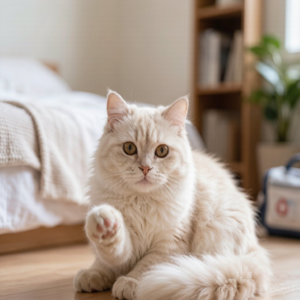
Finding a yellow wet spot on the bed is every cat owner's nightmare. Before anything else, rule out disease: feline lower urinary tract disease (FLUTD) makes urination painful, so cats link the box with discomfort and seek softer spots like the bed. If peeing comes with straining, blood, or constant licking, see a vet. Non-medical causes are a disliked litter box (bad location, poor hygiene, wrong litter, too few boxes in multi-cat homes) and stress or anxiety. Fixes: upgrade the box, scoop twice daily, follow the n+1 rule, ease anxiety with play and pheromone spray, and remove the urine scent with an enzymatic cleaner plus detergent. Most cats return to normal in 2-3 weeks.

Why Does My Dog Urinate in the House?
When a normally clean adult dog urinates indoors while you are out, scolding and punishment aren't the only responses to consider—why is your adult dog doing this? Puppies peeing inside is just the cost of dog ownership, so we focus on adults. Occasional accidents are normal ('nature calls'), but frequent, repeated indoor urination deserves attention, because it brings urine odor and possibly other problems. Medical causes: urinary disease (often a UTI causing random urination, usually treatable with medication); incontinence (dribbling or peeing while sleeping points to incontinence, treatable early with medication; large-area urination suggests something worse—see a vet); senior dogs (canine cognitive dysfunction makes them forget where they are, causing accidents). If your dog is healthy and not old, the cause is behavioral: intact males may mark after sexual maturity—normal—but a dog that never peed inside suddenly doing so may be stressed by household changes (a new member, a departure, new smelly or noisy objects). To change it: don't yell—catching the act in the moment matters, not the old puddle; remove or relocate the trigger; and clean thoroughly with an enzymatic cleaner that fully removes the odor so the dog doesn't remark the spot.

Is It Right to Hit a Dog for Peeing in the House?
Hitting a dog for house-training accidents is counterproductive — it teaches the dog to hide its mess and worsens the problem. Consistent crate and pen training, a fixed routine, and enzymatic cleaners are the effective, humane approach.
How to remove dog urine smell from shoes?
To remove dog urine smell from shoes, first blot up any remaining urine, then clean the area with a mixture of water and white vinegar or an enzymatic pet-odor cleaner. Vinegar neutralizes the odor rather than just masking it.
How to train a dog to pee and poop properly?
To train a dog to relieve itself in the right place, take it outside or to a designated spot at fixed times such as after meals, after waking, and before bed. Praise and reward it immediately when it goes in the right spot.

How to Remove Cat Urine and Feces Odor
Pet odors—body smell, waste, and the litter box—are stubborn and cannot be masked by perfume. The fix is to clean and disinfect the source, use a pet-safe enzyme deodorizer rather than chlorine bleach or vinegar, and check whether inappropriate elimination points to illness or stress.