Search Results
41 results for “environmental control”

Texas Map Turtle
The Texas Map Turtle lives in the Colorado River basin of the Edwards Plateau in Texas and is a relatively common map turtle, though priced higher; it resembles the Mississippi Map Turtle and is sometimes hard to tell apart. It is the smallest-shelled of all map turtles, with no prominent keel.

How to Remove Fleas From a 1.5-Month-Old Cat
A young kitten's fleas are best handled with a vet-approved topical drop, a fine comb, and a clean home. Disinfect the environment and keep up prevention so they do not return.

Symptoms of Ear Mites in Cats
Ear mites cause relentless ear scratching, head shaking, and dark brown debris in the canal; untreated they invite bacterial infection and otitis. Clean the ears daily with a pet ear solution, deworm regularly, and keep the environment disinfected.
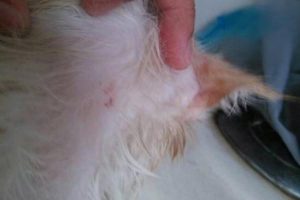
Removing Fleas from Your Cat: Bathing, Combing, and Home Treatments
Fleas thrive in a cat's thick coat and can cause itching, skin damage, and disease. Combing, bathing with a flea shampoo, medicated dips, and a clean environment are the most reliable ways to clear them. A consistent preventative routine keeps them from coming back.
Cat Ear Mites vs Ear Wax: How to Tell and Treat
Ear mites and ear wax are different problems that look alike, so owners often mix them up and delay treatment. Ear mites are a parasitic infection causing intense itching, black or coffee-colored debris, and inner-ear inflammation. Normal ear wax is pale yellow or brown, scant, and does not itch. If mites are present, clean the ears with a flushing solution, apply a miticide, and treat the cat for external parasites. Use an Elizabethan collar during care, and isolate in multi-cat homes because mites spread easily.
Why Does an Adult Rabbit Attack Baby Rabbits?
An adult rabbit may attack a younger one to defend status and resources, maintain social rank and territory, or protect its own litter, and environmental stress or health issues can also trigger it. To reduce such aggression, keep density appropriate, maintain a clean hutch, and give proper social training.
Why Do Dogs Develop Cervical Spondylosis?
A dog can develop cervical spondylosis for many reasons, including genetics, poor nutrition, holding one posture too long, overexercise, age, and environment. Some breeds with unusual body shapes are more prone to it. Long-term calcium deficiency weakens the bones, making the cervical spine easier to compress and injure. Older dogs are also at higher risk because of bone loss and weaker muscles. This article explains the common causes of cervical disease in dogs and what symptoms and home care look like once it is diagnosed.
How to Enhance Your Arowana’s Color?
Arowanas are prized for their bold shape and vivid color, but sometimes the fish fade or never reach full brilliance. Color comes from pigments in the scales, so the fix is mostly environmental and dietary. Keep water clean and stable—regular changes, correct temperature, pH, and hardness—and avoid sudden swings that stress a red arowana and stall its coloring. Feed pigment-rich foods like small fish, shrimp, bloodworms, and earthworms, especially during the key coloring stage. Use moderate LED lighting and the right tank background (black suits red arowanas, in a dimmer setup), and balance swimming exercise with proper rest to support pigment production.
Chinchilla Twitching: Causes and How to Respond
Occasional mild twitching or trembling in a chinchilla can be perfectly normal—chinchillas often flick their faces to sense air currents and check for danger. However, repeated or severe twitching may point to a nutritional imbalance, chronic stress, or an underlying illness. Calcium or vitamin B1 deficiency, loud or bright stressful environments, and conditions such as liver disease, diabetes, epilepsy, or poisoning can all trigger muscle spasms. Because twitching can be an early warning sign, owners should observe their pet closely and seek veterinary care if the behavior is frequent or comes with other symptoms. A balanced diet, a calm and comfortable habitat, and stable temperatures are the best preventive measures.
What Are Dogs Most Likely to Be Allergic To?
Allergies are common in dogs, and the usual triggers fall into three groups: food, environmental factors, and parasites. Food allergies often show up as itchy skin, digestive upset, and general discomfort—some dogs react to dairy, eggs, chicken, or gluten-rich grains like wheat and corn. Environmental allergens such as pollen, dust, mold, mites, and certain pet products can cause sneezing, breathing trouble, itching, and stomach issues. Parasites like fleas and mites provoke relentless scratching, licking, and biting that can damage the skin and lead to infection. Once you identify the trigger, the response is targeted: remove the offending food, reduce allergens at home through regular cleaning, limit outdoor exposure during high-pollen seasons, and keep up a consistent deworming schedule. For severe cases, a vet may prescribe relief medication or recommend immunotherapy to build tolerance.