Search Results
500 results for “energy diet”

Do Kittens Need Extra Warmth in Winter?
Cats feel the cold and are prone to illness when temperatures swing, so winter warmth matters. A monthly bath with thorough drying, warm clothing indoors, fresh air, and warm soft food all help keep a kitten healthy.

Illnesses Dogs Are Prone to in Autumn
Autumn's temperature swings put dogs at risk for colds, diarrhea, kennel cough, and parasites. Warmth, a steady diet, good ventilation, and on-time parasite control keep them safe.

How to Help Your Cat Lose Weight
Obesity crosses species — and it harms a cat's heart, lungs, joints, and lifespan. The plan is simple: 'eat less, move more,' guided by a calorie formula and a safe, slow pace of about 1% of body weight lost per week.

What to Do If Your Cat or Dog Has Diabetes
Diabetes in pets comes from too little or poorly used insulin, so the body burns fat instead of sugar. It can't be cured, but with insulin, diet, and monitoring it is very manageable — and early signs are easy to spot.

Cat Vomiting: Causes and How to Tell What’s Wrong
Cat vomiting has dozens of causes—from eating too fast and hairballs to infections, toxins like lilies, and organ disease. Telling active vomiting from passive regurgitation, then reading the vomit, frequency, and your cat's energy, narrows the cause before a vet visit.
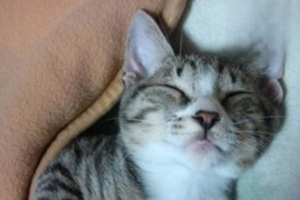
Cat Has Diarrhea After Kibble and Won’t Eat
A cat that eats, then gets diarrhea and loses its appetite has a fragile gut acting up. Gastritis, a sudden food change, or parasites are the usual causes. A probiotic, a gradual food switch, and routine deworming usually fix it; see a vet if it lingers.

Cat Suddenly Stopped Eating and Looks Lethargic
When a cat refuses food, loses energy, and wastes away for three to five days, the gut is usually involved. Hairballs, overeating, parasites, or gastritis are common culprits. A bland, scheduled diet and the right supplement often bring the appetite back.
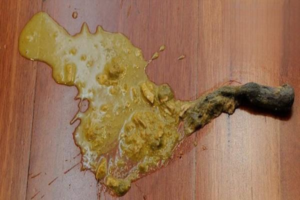
What a Cat Throwing Up a Hairball Looks Like
Cats swallow loose fur while grooming, and when it builds up it can form a hairball that mixes with food and irritates the stomach. Recognizing the early signs and keeping up with grooming and the right diet helps most cats avoid trouble. Persistent gagging or appetite loss means a vet visit.

Post-Surgery Recovery Care for Your Dog
After an operation a dog is fragile and needs careful nutrition, soft easy meals, and real rest. A recovery supplement, balanced food, and limited activity help the incision heal and the dog bounce back.
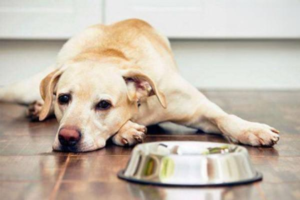
Dog Has No Appetite but Stays Active
When a dog skips meals yet stays playful, the cause is usually the food itself or picky habits, not illness. Rule out the kibble first, then watch for a possible blockage if there is no bowel movement or drinking.