Search Results
500 results for “energy diet”

What to Do When a Parrot Has a Cold, and Which Medicine to Use
Parrots catch colds from temperature change or bacterial and viral infection. Use bird-specific medicine such as gentamicin or oxytetracycline, keep the bird warm, and prevent recurrence with good hygiene and a stable temperature.
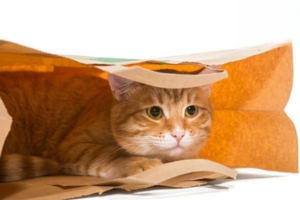
What to Do When a Mother Cat Breathes Rapidly After Giving Birth
Rapid breathing in a mother cat after birth is often normal in the first 2–3 days, as delivery drains her energy and nutrients. Support her with nutrition and rest, avoid baths, and see a vet if symptoms persist or worsen.

Pudding Hamster: A Breed Profile
The pudding hamster is a common, beginner-friendly dwarf (Campbell's) variety known for its cream-yellow coat and gentle, though timid, nature. This guide covers its traits, heat sensitivity, diet, and personality.

Why Is Your Dog’s Urine Yellow
Yellow urine clearly signals diet or health issues, but do not panic—check other signs like appetite and odor; analyze specifically. Here are the causes of yellow urine.

What If Your Dog Won’t Eat or Drink All Day
If your dog eats or drinks nothing all day, the harm is severe—act quickly to help it eat and restore energy. Here is what to do when a dog loses its appetite.

Understanding Dog Digestive Issues
Dogs digest fast but still get upset stomachs—vomiting, diarrhea, lethargy. Causes range from overeating and regurgitation to acute gastritis and spoiled summer food. Watch for parasites too.

How to Help a Thin Cat Gain Weight
A thin cat may be underweight due to genetics, poor diet, parasites, digestive disease, or dental issues. Rule out illness with a vet first; then raise the diet's nutritional density, feed small frequent meals, and add gentle play to boost appetite and build a healthy body.

How to Support a Cat with a Sensitive Stomach
Some cats have notoriously delicate digestions—the so-called glass stomach—prone to soft stools, diarrhea, and vomiting. The key to managing it is diet. Choose a limited-ingredient, single-protein hypoallergenic food, feed small meals several times a day, and always transition new food over seven days. Pet-specific probiotics (mixed into water below 40°C so the live cultures survive) help rebalance gut flora, while a calm, low-stress home prevents flare-ups. If symptoms persist or worsen, a vet check and possibly a prescription gastrointestinal diet are the right next steps.
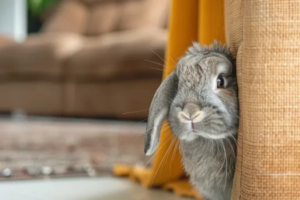
Essential Tips for Raising a Rabbit
Raising a rabbit is easy, but raising one well takes commitment. The essentials: always provide clean (never tap) water, make hay the staple with age-appropriate pellets and veggies as supplements, allow daily exercise and litter training, keep the habitat clean, rabbit-proof hazards, and skip frequent baths. A balanced diet and clean home are the foundation of rabbit health.
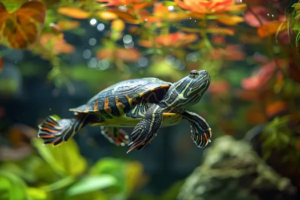
Common Reasons a Turtle Won’t Eat and How to Respond
Unpalatable food, unfamiliar surroundings, low water temperature, and gastroenteritis can all make a turtle stop eating. Turtles hibernate: appetite peaks at 24–28°C and drops as temperature falls; below 15°C they enter hibernation and stop eating. For aquatic and semi-aquatic turtles, water depth also matters—too shallow and they may refuse food; keep water at least covering the shell.