Search Results
172 results for “electrolytes”

Why a Cat’s Nose Is Wet or Dry
Why does a cat's nose feel wet? Here is a detailed explanation.

Complications of Feline Kidney Failure
Feline kidney failure brings complications across nearly every body system - nervous, skeletal, digestive, respiratory, cardiac, metabolic, and skin. Recognizing them guides effective treatment and raises the chance of recovery.

How to Treat Canine Parvovirus in Dogs
Treating parvo is the vet's job, but owners should know which medications are used. Here is the standard parvovirus treatment.

The Best Foods to Feed Your Dog
Bone broth, fresh goat's milk, carrots, apples, eggs, green beans, organ meats, and salmon are packed with nutrients that support a dog's gut, coat, joints, and overall health when fed correctly.

Cat Cystitis Complication: Acute Renal Failure
Cat cystitis has many complications — constipation, diarrhea, bloating, ulcers, pancreatitis, thrombosis, ascites, even bladder paralysis and enlargement. The most common is dehydration leading to renal failure.

Cat Acute Diarrhea: Symptoms and Treatment
Diarrhea is caused by excess water in the stool and is an important sign of intestinal disease in cats. It can affect your cat through severe fluid loss, leading to dehydration, electrolyte imbalance or acid-base disturbance.

How Much Does Spaying or Neutering a Cat or Dog Cost?
Cats/dogs can be neutered at ~6 months, but prices range 199-1999; parents ask why. Oxygen Pet Doctor explains.
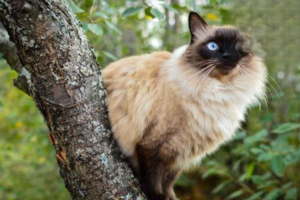
Signs Your Cat Is Sick
Cats can't speak, so observing daily details matters! Catch problems early, nip disease at the start~

What Is the Most Effective Way to Treat Canine Distemper
If a dog catches distemper, seek proper veterinary treatment promptly. In early onset, immune serum and antibiotics can cure it quickly. Whether hospitalized or treated at home, keep the dog in a warm, dry place. Prevent distemper by vaccinating puppies, avoiding outings during outbreaks, and not contacting sick dogs or their waste.

How to Care for a Cat with Fatty Liver Disease
Treating feline fatty liver has two stages: a stabilization phase and a long care phase. Stabilization needs hospital observation; care can be done at home. Here is what each involves.