Search Results
124 results for “electrolyte imbalance”

Cat Won’t Eat or Drink in a New Home? What to Do
A cat that refuses food and water after a move is reacting to stress, not being difficult. Short refusals of a day or two are usually mild, but beyond 48 hours the risk of fatty liver rises, and beyond 72 hours you should call a vet. The fix is to lower stress—familiar scents, the same food, a calm presence—never force-feeding, which makes things worse.

How to Tell If Your Dog Has Canine Distemper
Canine distemper is a highly contagious, often fatal viral disease. Watch for fever around 40°C or higher, cough, runny nose, vomiting, diarrhea, lethargy, and red swollen eyes. These signs overlap with a common cold, but distemper brings higher fever, lost appetite, cough, eye discharge, and labored breathing, while a cold usually does not. If you suspect distemper, isolate the dog at once and see a vet; treatment uses antivirals, antibiotics, and nutritional support, and early care greatly improves the odds. Vaccination remains the best prevention.

Karoo Cape Tortoise
The Karoo cape tortoise (Homopus femoralis) is the largest member of the padloper group, native to the high plateaus of South Africa's Karoo region. Unusually cold-tolerant for a tortoise, it is the only padloper known to undergo winter dormancy.

Canine and Feline Diabetes Insipidus
Diabetes insipidus is a disorder of water balance in which the body cannot concentrate urine, causing massive drinking and urination. It results from low antidiuretic hormone or unresponsive kidneys, and is managed by treating the cause and replacing the hormone.

Canine and Feline Hypoadrenocorticism (Addison’s Disease)
Hypoadrenocorticism, or Addison's disease, occurs when the adrenal glands fail to produce enough cortisol and aldosterone. It causes vague signs such as lethargy, vomiting, diarrhea, and poor appetite, and acute crises can be life-threatening without prompt treatment.
Hepatic Encephalopathy in Dogs and Cats
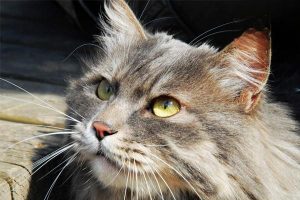
Hepatic encephalopathy is a neurological syndrome in dogs and cats caused by liver dysfunction that allows toxic metabolites such as ammonia to reach the brain. It produces recurring signs ranging from lethargy and ataxia to seizures, circling, and coma, and is often triggered by high-protein meals, gastrointestinal bleeding, or dehydration.

Sinus Tachycardia and Bradycardia in Dogs and Cats
Sinus tachycardia is a faster-than-normal but regular heart rhythm, common in newborn puppies and kittens and usually harmless on its own. Sinus bradycardia is a slow rhythm from hypothyroidism, toxicity, or low potassium. Both are managed by treating the underlying cause.

Uremia in Dogs and Cats
Uremia is the severe, body-wide poisoning that results when advanced kidney failure lets metabolic wastes build up in the blood. It affects the nervous, circulatory, digestive, respiratory, and blood systems, and is treated by managing the underlying kidney disease and the individual symptoms.

Cardiac Arrhythmia in Dogs and Cats
Cardiac arrhythmia is an abnormal heart rhythm from a fault in the heart's pacing or conduction, showing as an irregular pulse and heart sound. Some forms are harmless, while others cause weakness, collapse, or sudden death. Treatment targets the underlying disease plus rhythm control.

Acute Renal Failure in Dogs and Cats
Acute renal failure is a sudden loss of kidney function from many possible toxic or internal insults, passing through a low-output phase, a high-output phase, and recovery. Many animals die during the high-output phase, so treatment focuses on fluids, electrolytes, and nutrition while the kidneys heal.