Search Results
223 results for “eczema”

How to Choose a Skin Spray for Your Dog
Skin problems flare up in warm, humid weather, and a good skin spray is one of the most practical items for a dog first-aid kit. Rather than chasing the cheapest or most advertised product, owners should judge a spray on ingredient safety, the right target for the infection, and the maker's track record. This guide explains when a spray helps, what to look for on the label, and the daily habits—dry bedding, clean toys, avoided puddles—that do more to stop recurrence than any bottle. Sprays are for mild care and prevention, not severe disease.

Why Some Pet Skin Sprays Stop Working—and What to Look For
Many owners find a skin spray works at first, then fades—or the problem returns. The cause is often resistance: chemical antimicrobials can drive microbes to mutate, and sprays loaded with hormones or strong antibiotics can damage a delicate skin barrier and sicken a pet that licks them. A different approach uses nano-silver, which kills physically rather than chemically, lowering resistance risk. Here is what to know when choosing a skin spray.

Dog Skin Redness and Hives: A Recovery Case
After a day outdoors, a dog came home with a large red, itchy rash on its belly—likely bacterial eczema or allergic dermatitis/hives. Left unchecked, such redness spreads fast and itches intensely. With an antimicrobial skin spray, zinc oxide ointment, and an oral antihistamine, the redness faded within a few applications. Catch it early and see a vet if it spreads.
How Often Should You Bathe Your Dog in Summer?
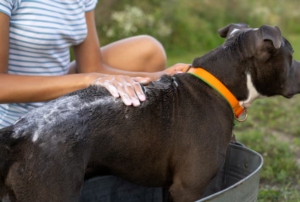
Bathing your dog once a week is usually too often. A dog's skin relies on its sebum layer to stay moist and protected; over-bathing strips it, causing dryness, worse odor, and skin infections. Frequency should follow coat type and lifestyle—indoor small dogs may need only every two to three weeks, while active outdoor dogs can go weekly. Between baths, wipes, toothbrushing, and ear care keep odor down.

What to Do When Your Dog Is Too Thin
A thin dog can fall into two patterns: one that eats little and wastes away, and one that eats plenty yet still loses weight. The second is often more telling, because calories are going somewhere other than the body. Matching the pattern to the likely cause is the first step toward fixing it.

Can You Bathe a 2-Month-Old Kitten?
Bathing a 2-month-old kitten is generally not recommended. A kitten's immune system is still developing and its skin is delicate, so a bath can cause chills, skin irritation, or infection. At this age, routine cleaning—ears, teeth, and claws—is enough. If a kitten is genuinely dirty or greasy, a warm, damp cloth is safer than full immersion. Should a bath be truly necessary, keep the water warm, be gentle, avoid the eyes and ears, and dry the kitten thoroughly afterward to prevent chills. Here is what every new owner should know about the risks and the safer alternatives.

Lice on Cats and Dogs: Symptoms, Risks, and Treatment
Lice peak in winter, especially in January, when thick coats let them breed undisturbed. They strike young, stray, and undernourished pets, causing itching, restlessness, hair loss, and in heavy infestations anemia and weakness. Two main types live on pets: blood-feeding sucking lice and coat-chewing lice, each with its own species on dogs and cats. Lice are host-specific and do not infect people, though fleas from pets can. This guide covers the types, the harm they do, how they are diagnosed, and how to treat and prevent them.

Should You Shave a Dog With Skin Disease?
Whether to shave a dog with skin disease depends on the cause. Fungal ringworm, mange mites, severe inflammation and eczema often benefit from clipping so medicine reaches the skin and the area stays clean and observable. But allergy- or hormone-driven skin problems do not improve with shaving and may even weaken the skin's defences. Always have a vet examine the dog under a microscope first, then treat the cause, and keep the environment cleaned with disinfecting tools.

Keeping Your Dog Free of Skin Problems in Summer
Summer's heat and humidity breed bacteria and parasites, so skin trouble spikes. Bathe and dry the coat with a pet shampoo, avoid strong midday sun to prevent burns, and keep the living space clean and dry. Use a monthly topical preventive with selamectin or fipronil to block fleas, lice, mites and ticks, and feed vitamins and protein to lift immunity. See a vet for itching, hair loss or rashes.

How to Give Your Cat a Glossy Coat
A dull, rough coat usually points to diet, poor care, environment or health. Feed balanced nutrition and add supplements such as lecithin, fish oil and vitamins to lift coat quality. Brush often to clear dead skin and boost circulation, bathe gently as needed, and keep fresh water available. Avoid harsh sun or dry air, and schedule regular checks so skin infection, parasites or other illness are not the hidden cause.