Search Results
24 results for “echocardiography”

Why Is My Cat Lethargic?
Lethargy is a state of increased sleepiness, reluctance to move, or indifference to the surroundings, in which the cat responds with a delay to external stimuli such as auditory, visual, or tactile stimulation. Lethargy may also refer to reduced activity and general discomfort shown by an unwell cat.
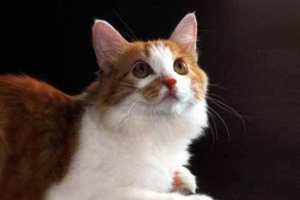
How to Diagnose and Prevent Feline Hypertrophic Cardiomyopathy
Feline HCM is silent until it is advanced, so it is usually found at annual check-ups. Diagnosis relies on listening, ECG, echocardiography, and X-ray; prevention is regular screening plus a quiet, low-sodium, taurine-rich life.

Types of Heart Disease in Rabbits
Rabbits can develop several types of heart disease—congestive heart failure, congenital defects, arrhythmias, cardiomyopathy, valve disease, and vascular disease. Most are rare and hard to spot early, so know the signs and don't panic.
What should I watch out for with a dog that has dilated cardiomyopathy?
Manage dilated cardiomyopathy with strict exercise limits, a low-salt low-fat high-quality-protein diet, regular vet heart checkups, and a calm, stable environment to reduce cardiac stress.

How to Prevent Heartworm Infection in Dogs
Heartworm in dogs is spread mainly by mosquito bites and, less often, from an infected mother to her puppies. Signs such as coughing, tiredness, and poor appetite appear only after worms mature in the heart and lungs, so prevention — regular checkups, monthly preventives, and mosquito avoidance — is far safer than treatment.

Dog Panting After a Short Walk? Watch for Heart Trouble
Panting after a brief walk is not always harmless—it can be a dog's heart crying for help. Heat, obesity, and flat-faced breeds pant normally and recover within minutes, but sudden breathlessness at rest, coughing at night, bluish gums, or constant fatigue warrant prompt cardiac screening. Early diagnosis and steady daily care can dramatically slow heart disease.

Dog Panting After a Few Steps? Don’t Ignore Heart Trouble
A dog that pants heavily or struggles to breathe after only a short walk may be signaling heart disease rather than mere old age or extra weight. Key warning signs include a sudden drop in stamina, labored breathing at rest, blue-tinged gums, nighttime coughing, and lethargy. Early veterinary diagnosis and daily heart-care management can dramatically slow progression and extend your dog's life.

Pericardial Effusion in Dogs and Cats: Symptoms, Treatment, and Prevention
Pericardial effusion is the abnormal buildup of fluid in the sac around the heart, compressing it and causing fatigue and breathing difficulty. Common triggers include heart failure, parasites, anemia, and cardiac tumors, and treatment removes the fluid while addressing the underlying cause.

Pericarditis in Dogs and Cats: Symptoms, Treatment, and Prevention
Pericarditis is inflammation of the sac surrounding the heart, often secondary to infection, heart-base tumors, rheumatism, or uremia. It causes fever, breathing difficulty, and fluid or bleeding around the heart, and is treated by addressing the cause plus drainage when needed.

Canine and Feline Caval Syndrome (Heartworm): Symptoms, Treatment, and Prevention
Caval syndrome is the acute, life-threatening form of heartworm disease in which adult worms suddenly obstruct the vena cava and heart, causing sudden collapse, bloody urine, and jaundice. Emergency surgical removal of the worms is the definitive treatment, and prevention depends on year-round parasite control.