Search Results
131 results for “easy dogs”

Are Teacup Dogs Easy to Care For?
Teacup dogs win fans with their tiny, cute looks and gentle nature, but they're fragile and low-immunity, so they need careful, attentive care. They're sensitive to temperature, so dress them warmly in cold weather, and keep up daily grooming—eye-stain cleaning and coat brushing—to stay clean. Feed a high-quality diet sized to them in controlled amounts to avoid obesity. Though small, their health needs are real: regular vet checks, vaccinations, and deworming are essential. With patience and the right know-how, they bring plenty of joy.

When Do Dogs Get Jealous?
Dogs get jealous most when they feel ignored or see you being affectionate with another pet or person — showing unease, barking, or pushing in. It's a protective instinct and a sign of social anxiety. Stay calm, give extra reassurance, and gradually introduce new companions; if jealousy turns aggressive, seek a professional.
What guard dogs are suitable for women?
German Shepherds, Border Collies, Goldens, Labradors, and Malamutes give solo women security and are easy to train. Smaller women may prefer Corgis or Frenchies as alert watchdogs.
Bad Breath in Dogs and Cats Is Not “Heat”—3 Types to Self-Check
When dogs or cats have bad breath, many owners assume “heat” and reach for cooling teas or herbs—but most pet halitosis is a disease signal, not a temperature issue. A rotten, fishy odor with red gums, tartar, hesitant eating, or drooling points to periodontal disease (over 70% of pets over 3 years); a strong urine or ammonia smell with extra drinking, extra urination, lethargy, and low appetite signals declining kidney function; and a sour, fermented odor with burping, acid reflux, worse on an empty stomach, and soft stool points to gut or liver trouble. Mild breath, teething at 3–6 months, or a meaty diet smell are normal. Severe or symptomatic breath warrants a vet visit—blood and organ checks—not “cooling” remedies.
Early Signs of Heatstroke in Dogs—and How to Prevent It
Dog heatstroke progresses through early warning signs, moderate fever, and severe shock, and the early stage is the easiest to miss—and the easiest to treat. Watch for constant open-mouth breathing with the tongue out and rapid shallow breaths, lethargy and slow responses, seeking shade and refusing to walk, thick stringy drool with a dry hot nose, and reddened, warm paw pads. Move the dog to a cool, airy spot and offer water in small amounts at the first sign; untreated, it can become critical within minutes. This article also covers which dogs are most at risk and practical prevention, from walking at dawn or dusk to never leaving a dog in a parked car.
Choosing the Best Dog Food for Senior Dogs (Age 7+)
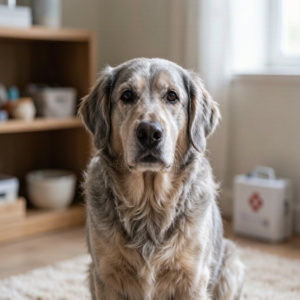
Once a dog turns seven, its metabolism slows, digestion weakens, and organs such as the kidneys, heart, and liver begin to decline — so the right senior dog food matters more than ever. Look for a formula with at least 25% crude protein (30%+ is better), fat held between 8% and 15%, fiber under 9%, starch no higher than 32%, salt under 2%, and a calcium-to-phosphorus ratio of 1:1 to 2:1. Bonus nutrients like glucosamine, fish oil, and probiotics support aging joints, brains, and guts. Prefer wet food for dogs with poor teeth, transition gradually over seven days, and feed smaller meals. For dogs with heart, kidney, or diabetic conditions, a vet-guided prescription diet is safest.
Which Dog Breeds Are Easy to Keep and Do Not Shed Much?
Breeds that are relatively easy to care for and light on shedding include the Poodle, Bichon Frise, Australian Shepherd, Standard Schnauzer, Chinese rural dog, Siberian Husky, Labrador Retriever, West Highland White Terrier, Maltese, and Beagle. Poodles have curly coats that rarely drop and need little trimming, while Chinese rural dogs are gentle, loyal, easy to train, and short-coated. Even low-shedding dogs need regular brushing, enough exercise, social time, and good food and water.
What Breeds Are Used as Guide Dogs?
Selecting a guide dog is a strict process—not every dog qualifies. A good candidate must be calm, highly trainable, neither timid nor hyperactive, and gentle, able to focus without being easily distracted. The most common guide dog breeds are the Labrador Retriever, Golden Retriever, German Shepherd, and Poodle, all known for steady temperaments, loyalty, obedience, and high intelligence. After specialized training they become the eyes and faithful helpers of people who are blind. Guide dogs earn deep respect for the independence they give their handlers; because a guide dog gives its handler dignity and freedom, protecting that partnership is a shared responsibility we should all honor.
Common Skin Problems in Dogs During Summer
If your dog is scratching more than usual, the cause may be the skin itself - parasites, allergies or underlying disease. Summer brings a spike in canine skin conditions, so every owner should know the common ones. This guide lists allergic dermatitis, yeast infection, folliculitis, impetigo, seborrhea, ringworm, mange, fleas, ticks, lupus and more, with their hallmark signs. Most skin diseases develop over time, so early detection and prompt veterinary care keep them stable and curable - watch your dog's behavior and act on anything unusual.
Hookworms in Dogs: Symptoms and Deworming
Hookworms are intestinal parasites named for their hook-like mouthparts, which anchor them to the gut wall. Only about an eighth of an inch long, they are hard to see, yet they drink large amounts of blood from tiny vessels and can inflame the gut, cause anemia, and threaten life, especially in puppies. Dogs catch them by mouth, through the skin, or from mother to pup via placenta and milk. Signs include pale gums, weakness, weight loss, and bloody diarrhea. Diagnosis is a fecal float, and treatment is regular deworming plus a repeat dose to kill newly matured worms.