Search Results
1066 results for “easy care”

What to Do When a Teddy Puppy Has Diarrhea
Teddy puppies have delicate stomachs, and diarrhea usually follows a scrap of human food or an overly rich diet. Pull back to a short fast, rebuild the gut with bland meals and probiotics, and pick an easily digested food fed in small portions.
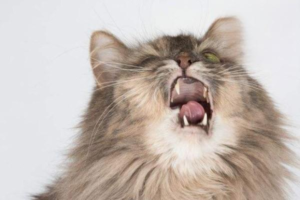
Cat Sneezing and Has Diarrhea but Acts Normal
A cat that sneezes and has loose stools yet stays lively likely has a mild cause — nasal irritation, a light cold, or a foreign object — rather than something severe. Remove allergens, keep it warm, and don't wait to see a vet if it doesn't improve, especially before three months of age.
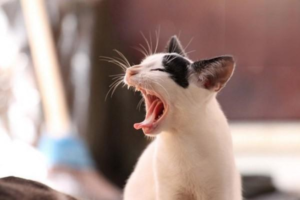
Why Is My Cat Sneezing?
Sneezing and a runny nose are easy to dismiss, but they deserve a closer look. The usual triggers are dust or litter dust (allergy), a chill or cold, or — when discharge turns thick and the cat runs a fever — feline rhinotracheitis, which needs prompt veterinary care.
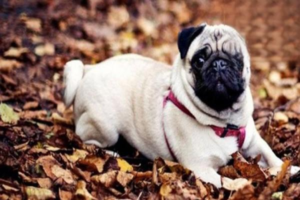
How to Reduce Shedding in a Pug
Pugs shed, but how much depends on daily care. Over-bathing, human shampoo, too little sunlight, and poor diet all make shedding worse, while regular brushing, good nutrition, and quick attention to skin trouble keep the coat under control.

How to Tell If Your Cat Has Mites
The hallmark of a mite infestation is intense itching with irregular red patches and hair loss. Unlike ringworm's neat circular rings, mite damage looks blotchy and worsens the more your cat scratches, sometimes progressing to blisters and discharge.
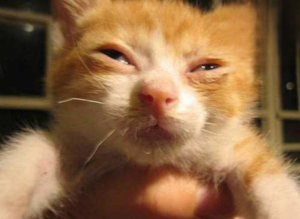
What to Do When Your Cat Sneezes Blood
Blood in a cat's sneeze points to parasites or feline rhinotracheitis (cat flu) — both need a vet check. Deworm for parasites; for rhinotracheitis, treat the virus with eye drops and vet-prescribed medication plus immune support.
- « Previous
- 1
- …
- 105
- 106
- 107