Search Results
70 results for “early dog diabetes”

How High Blood Pressure Affects Dogs
High blood pressure harms a dog's eyes, heart, kidneys, and nervous system. It can cause retinal damage and vision loss, heart enlargement and failure, kidney failure, and stroke or paralysis. Owners should watch for signs and see a veterinarian, who may measure blood pressure and suggest a low-salt, low-fat diet or medication. Risk rises with obesity, age, genetics, diabetes, thyroid or kidney disease, and stress. Prevention includes regular checkups, a healthy weight, calm surroundings, and daily exercise.

Symptoms and Treatment of Obesity in Cats and Dogs
Obesity is a nutrition disorder; by international standard, 10 to 15 percent over ideal weight counts as obese, and a body condition score gives a clearer read. In developed countries 10 to 40 percent of dogs and over 20 percent of cats are obese. Causes split into simple obesity from genes, overfeeding, and little exercise, and secondary obesity from hormone or endocrine disease. Diagnosis uses exams, body scoring, and lab work, and treatment is diet, more exercise, and managing any underlying disease.

What to Do About Bad Dog Breath
Bad breath often starts in the mouth, but it can also signal metabolic disease. Check the teeth for tartar, inflamed gums, or ulcers, and watch for sudden appetite or thirst changes that warrant a vet visit. Daily or thrice-weekly brushing with pet toothpaste, plus professional cleaning, keeps breath fresh.

8 Common Health Issues in Senior Dogs
Aging brings: (1) hearing/vision loss—train hand signals, leash outdoors, pad the home; (2) arthritis (osteoarthritis) in weight-bearing joints causing pain on walks/stairs—vet care; (3) kidney disease, often chronic, with thirst, more urine, nausea, lethargy—manage, not cure; (4) incontinence from organ/muscle/nerve decline—vet check, more walks; (5) obesity raising arthritis/heart/diabetes risk—cut food, keep gentle exercise (walks, swim); (6) dementia (disorientation, anxiety, poor sleep)—meds for quality; (7) lumps/tumors, mostly benign—let the vet judge; (8) cancer, common and varied—regular checkups catch it early. Older dogs need closer diet and exercise management, and more patience.

Common Old-Age Diseases in Dogs
Dogs are seniors from about seven years, showing grey fur, clouded eyes, weaker hearing, slower movement and lost teeth, all normal aging. But the risk of heart disease, joint trouble and mouth disease also climbs. Aging hearts can cause fluid buildup and breathlessness, a fading pancreas can bring obesity and diabetes, joints stiffen, eyes cloud with cataracts, coats thin, and tartar and gum disease appear. Adjust diet to avoid excess calories and keep weight down to protect joints and metabolism.

The Dangers of Dental Tartar in Dogs
Dog tartar is hard buildup of bacteria and food debris along the gumline. Left alone it drives gingivitis, bad breath, loose or lost teeth, mouth infection, periodontal disease, respiratory infection, and even whole-body issues like heart, kidney, and diabetes risk. Prevention means regular brushing, dry food over wet, and limiting sugar and starch. Severe cases need a professional dental cleaning, and badly loose teeth may require extraction.
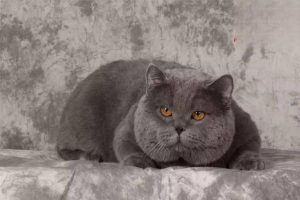
Pruritus (Itching) in Dogs and Cats: Symptoms, Causes, and Relief
Pruritus is a symptom rather than a disease, signaling an underlying problem such as parasites, eczema, diabetes, endocrine imbalance, or nutritional deficiency. Lasting relief comes from treating the root cause, not just suppressing the itch.

Diabetes Mellitus in Dogs and Cats
Diabetes mellitus in dogs and cats is a disorder of insulin deficiency or resistance that causes persistently high blood sugar. Classic signs are excessive drinking, eating, and urinating with weight loss, and treatment centers on diet, insulin or other glucose-lowering medication, and monitoring.
Hypopituitarism in Dogs and Cats
Hypopituitarism results from tumors, inflammation, or trauma damaging the pituitary or hypothalamus, leading to failure of the target glands. Young animals become dwarfs, while adults show genital atrophy, obesity, and diabetes-insipidus-like signs, and hormone replacement is the main treatment.

Chronic Renal Failure in Dogs and Cats
Chronic renal failure is the slow, often permanent loss of kidney function from long-term kidney damage, such as after acute renal failure, glomerulonephritis, or urinary stones. It brings progressive dehydration, weakness, and heart strain, and needs lifelong fluid, diet, and monitoring support.