Search Results
467 results for “ear mite treatment”

Supplies to Prepare for a New Cat
Bringing a cat home means getting its eat, drink, and litter needs sorted first. Kittens may need goat's-milk or lactose-free formula, a bottle, and a needle-free syringe for feeding. Every cat needs two bowls (water and food) and a natural-quality kibble — cheap food leaves cats hungry and unwell. Plan one litter box per cat with low-dust clumping litter. Then add grooming and health items: hairball paste or cat grass, a brush, nail clippers, basic supplements, dewormer, eye drops, and a toothbrush. Toys, a scratch post, a warm bed, and a cat tree round it out.

When Should a Kitten Start Deworming?
Even indoor cats can pick up fleas, mites, tapeworms, and roundworms, and a heavy parasite load harms the skin, gut, and normal growth—so a regular deworming schedule matters from a young age. Preventive treatment can begin as early as two to three months, while an active infection needs a targeted, gentle product suited to a kitten's sensitive stomach. This guide covers when to start, how often to repeat, and the key precautions around bathing and vaccines that every cat owner should know.

Symptoms and Removal of External Parasites in Turtles
Turtles do get external parasites, most often ticks and mites. On their own these pests do little direct harm, but they still need to be removed. An infested turtle may itch, develop rashes, and show diarrhea, weight loss, and poor appetite, and left long enough a heavy load can even be fatal. The good news is that good husbandry prevents most cases, and an established soaking routine clears an active infestation. This guide explains the signs to watch for and the practical steps to treat and prevent external parasites.

What to Do If Your Dog or Cat Has Tapeworms
Many species of tapeworms parasitize dogs and cats, and the adult worms seriously harm their health, while the larval stages often use livestock or humans as intermediate hosts, threatening both animals and people. Common species include Dipylidium caninum, Taenia spp., Echinococcus granulosus, Mesocestoides, Spirometra mansoni, and Diphyllobothrium. Infection causes intestinal inflammation, malnutrition, and in severe cases intestinal blockage, with signs like vomiting, diarrhea, weight loss, and odd behavior. Diagnosis relies on clinical signs plus fecal egg exams. Prevention means regular deworming, not feeding raw offal, and controlling fleas. Treatment uses praziquantel (5 mg/kg dogs, 2 mg/kg cats), arecoline hydrobromide, bunamidine, or fenbendazole under veterinary guidance. Because some tapeworms (like Echinococcus) also endanger human health, prompt and correct control matters.

Why Does My Cat Always Lie Down? Understanding Feline Arthritis
If your cat spends most of its time lying down, walks with a limp, or refuses to be touched on the hind legs, it may be suffering from arthritis—a condition that affects up to 90% of cats as they age. Arthritis is the inflammation and degeneration of joint cartilage, most often secondary (degenerative) arthritis, which worsens as cats grow older. Cats are masters at hiding pain, so signs like reluctance to jump, reduced grooming, increased sleeping, and irritability can easily go unnoticed. Causes include aging, genetics, obesity, injury, and acromegaly. Treatment combines veterinarian-supervised medication (NSAIDs such as meloxicam), weight management with omega-3 and glucosamine supplements, and environmental adjustments like steps and soft bedding. Prevention starts with a healthy diet and keeping your cat lean.

Why Does My Cat Still Itch After Deworming?
A cat that keeps scratching after a dewormer isn't necessarily proof the product failed. Dewormers kill parasites but not skin problems, and the wrong product, wrong application, or an untreated home can all leave itching in place. Flea-allergy dermatitis, mites, dry skin, and stress can itch too. Mild scratching for a day or two may just need patience; anything longer with skin damage needs a vet.

Does a Scratching Cat Always Have Parasites?
A scratching cat doesn't automatically have worms. Itching can come from parasites, but also from skin disease, allergies, dry skin, or even stress. Anxious cats may over-groom until they damage their own skin, creating a vicious itch cycle. If scratching continues after a dewormer, or comes with hair loss, redness, bumps, ulcers, or heavy scaling, it's time for a veterinary check rather than more flea treatment.
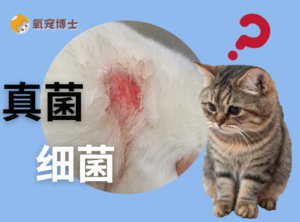
Cat Skin Redness and Hair Loss: Fungal or Bacterial?
A cat's skin normally carries small amounts of bacteria and fungi that only cause trouble when the skin barrier breaks. Fungal infection, usually Microsporum canis, shows as ring-shaped hair loss with a red raised edge and dry scales, and spreads slowly. Bacterial infection is usually secondary—after a scratch, bite, mite, or allergy—and appears as pustules and fast-growing ulcers. Telling them apart guides the right treatment.

Why Do Dogs Develop Rheumatism?
The exact cause of dog rheumatism is unclear, but it is now seen as an autoimmune reaction to repeated streptococcal infection, with cold, damp, rain, and overexertion as common triggers; it often returns during respiratory illness, sudden weather shifts, or after getting chilled. It appears as muscular or joint forms, causing pain, stiffness, swelling, and lameness that can shift around, and it cannot be cured, only managed. Care means a dry warm bed, balanced nutrition with calcium, and limited exercise, with veterinary anti-inflammatory and analgesic treatment during flares.

Cat Dewormers Compared: How to Choose the Right One
More than half of household cats are estimated to carry at least one parasite at some point, with fleas, roundworms, and heartworm among the most common. Regular, science-based deworming can sharply lower that risk and protect both cat and owner. This guide compares the main types of cat dewormers by their active ingredients and explains how to match a product to your cat's age, lifestyle, and parasite exposure, so you can build a safe, sustainable routine without relying on brand hype.