Search Results
6 results for “dwarf hamster”
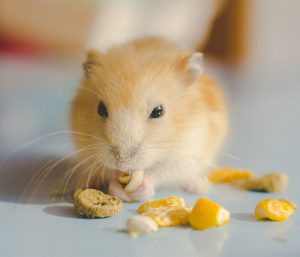
Winter White Dwarf Hamster (Milky Tea morph)
The 'milky tea' hamster is a coat-color morph of the Winter White dwarf hamster (Phodopus sungorus), named for its even, milk-tea-colored back. Some show the 'winter white' effect, turning silvery white in cold weather and reverting when warm. It is one of the prettiest of the dwarf hamsters and good for beginners.
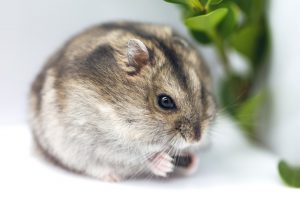
Winter White Dwarf Hamster
The Winter White Dwarf Hamster (Phodopus sungorus), also called the Djungarian hamster or Russian dwarf, is the easiest and tamest of the small hamsters and turns white in winter. A solitary species, it needs a safe cage, a wheel, and a careful diet free of onion, chocolate, and apple seeds. Lifespan 2–3 years.
My dwarf hamster can’t stand steadily, won’t open one eye, and its right leg is weak — what’s wrong?
Unsteady standing and an eye that won't open in a dwarf hamster are most likely caused by a respiratory infection or pneumonia. You can syringe-feed a little glucose for energy and clean the eye with saline or warm water, then see a vet promptly; if a respiratory infection is confirmed, oral enrofloxacin and antibacterial pet eye drops are used.

How to Prevent Diabetes in Hamsters
To lower a hamster's risk of diabetes, manage its diet strictly, provide enough exercise, reduce stress, and schedule regular checkups to protect its health. Control sugar intake, avoid overfeeding fruits and vegetables, and prevent obesity. Let the hamster exercise to burn excess energy, control weight, and build overall fitness. Dwarf hamsters are especially prone to the disease, so prevention matters from an early stage.

Can Hamsters Get Diabetes?
Hamsters can and do get diabetes, and it is not rare. Like in people, the direct cause is too little insulin, and obese hamsters and dwarf breeds are most at risk. Signs are overeating, heavy drinking, more urine with a strong smell, weight swings, tiredness, mood swings, and in severe cases unsteady walking or coma. Diabetes cannot be cured, so strict sugar control with high-protein, high-fiber, low-fat, low-sugar food is vital; dwarf hamsters should avoid all sweets. Keep them active to prevent obesity.

Guinea Pig
The Guinea Pig (Cavia porcellus), also called the cavy, is a gentle South American rodent kept worldwide as a pet. It needs a roomy cage, a bottle, and — unlike many rodents — a diet with added vitamin C: grass hay, guinea-pig pellets, and fresh vegetables. Its teeth grow for life, so fibrous food is essential.