Search Results
638 results for “dry nose”

How to Care for Your Dog in Autumn
Autumn's cool, dry, changeable weather feels great to us but asks for a few adjustments in dog care. Fatigue from summer, dropping temperatures, and dry air all affect a dog's body, coat, and digestion. A few simple habits around food, grooming, exercise, and disease prevention keep your dog comfortable through the season.

Common Skin Problems in Dogs During Summer
If your dog is scratching more than usual, the cause may be the skin itself - parasites, allergies or underlying disease. Summer brings a spike in canine skin conditions, so every owner should know the common ones. This guide lists allergic dermatitis, yeast infection, folliculitis, impetigo, seborrhea, ringworm, mange, fleas, ticks, lupus and more, with their hallmark signs. Most skin diseases develop over time, so early detection and prompt veterinary care keep them stable and curable - watch your dog's behavior and act on anything unusual.

Ringworm in Cats and Dogs: Symptoms and Treatment
Ringworm, or dermatophytosis, is one of the most common skin diseases in pets, caused mainly by Microsporum canis, M. gypseum, and Trichophyton mentagrophytes. It matters for public health because most strains are zoonotic, survive for three to four years in dry conditions, and resist ordinary disinfectants. Infection spreads by contact or contaminated objects, peaking in warm, humid weather. Signs are round patches of hair loss, redness, and scaling, usually without itch. Treatment uses topical and, for widespread cases, oral antifungals, plus environmental cleaning. This guide covers the cause, signs, and care.

Symptoms and Treatment of Obesity in Cats and Dogs
Obesity is a nutrition disorder; by international standard, 10 to 15 percent over ideal weight counts as obese, and a body condition score gives a clearer read. In developed countries 10 to 40 percent of dogs and over 20 percent of cats are obese. Causes split into simple obesity from genes, overfeeding, and little exercise, and secondary obesity from hormone or endocrine disease. Diagnosis uses exams, body scoring, and lab work, and treatment is diet, more exercise, and managing any underlying disease.

Treatment for Corneal Ulcers in Cats
A vet diagnoses a cat's corneal ulcer with a full eye exam and fluorescein staining, though finding the cause can be tricky. Possible triggers include abnormal lashes, eyelid faults, dry eye, feline herpesvirus, and uveitis as a complication. A thorough exam, stain test, tear test, and cultures pin down size, depth, and infection so the right treatment can start.

Preventing Common Spring Cat Diseases
Spring raises two risks. Urinary disease peaks in damp weather, driven by low exercise and water intake; watch for straining and act fast to avoid acute kidney failure. Colds strike with big day-night temperature swings; keep cats warm, dry, and sheltered from drafts, and seek care if they refuse food with a high fever.

Preventing Autumn and Winter Dog Illnesses
Cold seasons bring risks. Keep warm—especially puppies and seniors—with a warmer bed, blanket, or heat lamp (watch electrical safety and distance); bathe at midday in sunlight, less often, warmer water. For weather-related colds (sneeze, runny nose, cough), use pet-specific cold medicine and warmth—never human drugs—and see a vet if it worsens. Keep walking for immunity; short-haired or weak dogs can wear coats and must be dried after rain. Diet may need more frequent small meals; keep probiotics ready for soft stool. Deworm year-round (fleas stay active), and expect the autumn coat shed (Sept–Oct).
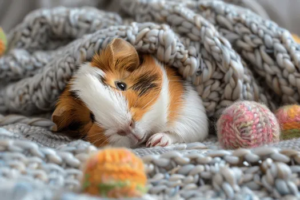
Signs of Internal Imbalance (“Heat”) in Golden Hamsters and What to Do
In small-pet care, "heat" describes a common imbalance in golden hamsters caused mainly by too many fatty, high-calorie treats like seeds, peanuts, and bread. It is not dangerous on its own, but it makes the hamster uncomfortable and can lead to constipation and obesity. The signs range from eye discharge to, in severe cases, prolapse and nosebleeds. The fix is dietary: cut the rich snacks, soften the food, and add a little cooling herb to the water. This guide explains the causes, symptoms, and treatment.

How to Bathe a Guinea Pig
Guinea pigs are cute and soft, but their long coats collect dust and bacteria, so occasional cleaning is part of good care. Most of the time a spot clean with dry shampoo or a damp cloth is enough, and a full bath with pet shampoo is only needed when they are smelly or dirty. Done gently and kept short, bath time is safe and stress-free. This guide walks through the bathing steps and the key cautions—including why dust baths, beloved by hamsters, are wrong for guinea pigs.

Keep These Cleaning Products Away from Your Dog
Household cleaners carry more hazardous chemicals than you think, and they are far worse for dogs. Dogs spend nearly all their time on the floor, touching cleaners directly and absorbing them through paw pads and skin; even off the floor, their keen noses inhale the toxins. Five chemical groups to watch: ammonia (toxic, irritates the respiratory system; in glass/stainless cleaners, floor wax)—seek vet care if ingested. Chlorine/bleach (vomiting, diarrhea, burns, even seizures; in toilet/mold cleaners, detergent). Phthalates (linked to liver, testicular, pancreatic tumors; in nail polish, hairspray, soap, shampoo—avoid in dog toys). Glycol ethers (liver, nerve, digestive harm; in multipurpose/carpet/glass cleaners, hand soap; even 'natural' ones). Formaldehyde (irritates eyes/skin, slows breathing; in perfume, tissues, hand soap, nail polish). Also avoid 84 disinfectant (bleach-based, corrosive, causes chronic rhinitis).