Search Results
817 results for “dry coat”
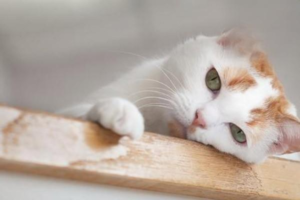
Mild Cat Cold vs. Feline Herpesvirus (Cat Flu)
A sneezing, runny-nosed kitten usually has either a mild cold or feline herpesvirus (cat flu). The mild version clears with warmth and rest; the viral form brings lethargy, poor appetite, and eye discharge and needs isolation plus veterinary care. Telling them apart decides how quickly your cat recovers.

Is Occasional Sneezing Normal in Cats?
The odd sneeze is perfectly normal for a cat, but frequent sneezing paired with eye or nasal discharge points to discomfort that deserves attention. Most causes are harmless irritants or allergies, yet infections and trapped foreign objects need a veterinarian's care.

How to Reduce Shedding in a Ragdoll Cat
Ragdolls are long-haired and shed year-round, with a heavy blowout as kittens around three to four months. The fix is mostly daily grooming, a coat-friendly diet, and infrequent proper bathing — and a vet check if the coat suddenly thins.

What to Do About Heavy Shedding in a Pomeranian
Pomeranians shed heavily, but daily brushing, sensible bathing, sunlight, and a low-salt diet keep the coat healthy and the fur where it belongs. Most shedding is manageable at home, with a vet check if the skin itself looks unhealthy.

Is Your Itchy Dog Suffering From a Skin Condition?
Itching is unpleasant and can crack the skin, but it isn't always a disease. Mild cases respond to natural aids like aloe or diluted apple-cider vinegar, while persistent itching needs a medicated spray and a clean, dry environment — with sunshine when possible.
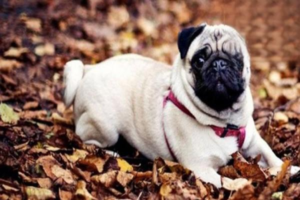
How to Reduce Shedding in a Pug
Pugs shed, but how much depends on daily care. Over-bathing, human shampoo, too little sunlight, and poor diet all make shedding worse, while regular brushing, good nutrition, and quick attention to skin trouble keep the coat under control.

How to Bathe and Deworm Your Cat
Regular deworming protects both your cat and your home. Plan on an internal dewormer every three months and an external one every month, and always bathe your cat before applying a topical product so the treatment can work.

Is Dandruff on a Puppy Normal?
Dandruff from normal shedding is too small to see; visible flakes mean a likely skin problem—fungal disease, allergic dermatitis, too much salt, parasites or hormone issues. Bathe on a schedule with puppy shampoo, keep the coat dry, and balance nutrition; persistent flakes need a vet.

Cat Has Smelly Yellow Diarrhea but Still Acts Normal
Smelly yellow diarrhea with normal energy usually points to diet—spoiled food, too-hard kibble, or toxins. Stress, overfeeding and chills also trigger it. Fast half a day, use a probiotic and keep the cat warm; persistent or toxic cases need a vet.

When Should a Kitten Be Dewormed?
Kittens can be dewormed from about 2–3 months of age; internal and external deworming are separate steps. Always dose by weight and age—too much harms the cat, too little does nothing. Weak kittens should wait until 4 months, and pregnant cats only after the kittens are weaned.