Search Results
817 results for “dry coat”

Canine and Feline Seborrheic Dermatitis: Symptoms, Treatment, and Prevention
Seborrheic dermatitis is a disorder of skin lipid metabolism in dogs and cats, producing dry scales, greasy sebum buildup, or inflamed crusted skin. It may be primary (often hereditary) or secondary to parasites, infection, or endocrine disease such as hypothyroidism.

Interdigital Cysts in Dogs and Cats: Symptoms, Treatment, and Prevention
Interdigital cysts (interdigital furunculosis) are a chronic inflammatory skin condition of the paws, not true cysts, starting as small papules between the toes that enlarge, suppurate, and form nodules causing pain, lameness, and licking. Antibacterial care controls it; stubborn cases need surgical removal of the web.

Frostbite in Dogs and Cats
Frostbite is tissue injury from prolonged cold, most often on the tail, ears, paws, and penis. It causes redness, then bluish swelling, and in severe cases skin or even bone death. Rewarming and preventing infection are the main goals.

Burns in Dogs and Cats
Burns are tissue injuries caused by heat (fire, steam, hot liquids) or other agents. They are graded by depth: first-degree heals in about a week, second-degree in 20–30 days, and third-degree is severe and prone to infection. Quick first aid and veterinary care prevent shock and sepsis.

Myxoedema (Hypothyroid Dermatosis) in Dogs and Cats
Myxoedema is a hypothyroid disorder in which mucinous material accumulates in the skin and tissues. It causes obesity, marked hair loss, lethargy and cold intolerance, and is treated mainly with thyroid hormone replacement plus skin support.

Eosinophilic Gastroenteritis in Dogs and Cats
Eosinophilic gastroenteritis is a severe chronic inflammation of the stomach and intestines caused by infiltration with eosinophils, a type of white blood cell. It is often linked to allergy and is marked by persistent vomiting, diarrhea, weight loss, and a high eosinophil count in the blood.

Canine Rotavirus Infection: Symptoms and Treatment
Rotavirus is an intestinal infection that mainly affects young puppies, causing diarrhea while adult dogs often show no symptoms. The virus sheds in feces and spreads by the oral-fecal route, and can pass between species, allowing it to persist in the environment.
How can I keep my Bichon Frise from smelling bad?
The Bichon Frise is a clean small breed that shouldn't smell much. A strong odor usually comes from infrequent bathing, bad breath, blocked anal glands, or earwax buildup. Regular baths and brushing, teeth brushing 3x/week, weekly ear cleaning, and routine anal-gland expression plus daily exercise keep odor away.

Why Does a Cat’s Fur Mat Into Clumps?
Cat fur mats from lack of grooming, poor nutrition, or wrong shampoo (human body wash strips oils). Fix it by gently brushing out dead hair, adding coat-nourishing foods like egg yolk and salmon (with lecithin), and bathing with a pet-specific shampoo.
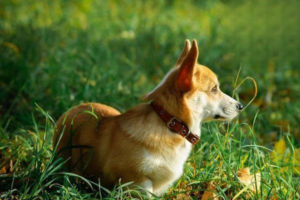
What to Do About Excessive Shedding in Dogs
Excessive shedding can affect your dog's appearance and may signal diet, bathing, or health issues. Here is how to address it.