Search Results
817 results for “dry coat”

Winter Care Tips for Dogs
Winter is cold, so people stay in, spending more time with dogs. It is a hard season for dogs—cold cuts outdoor time, and poor warmth causes chills and colds. For a happy winter, watch the dog's daily life and health. Here are winter dog-care tips.

Signs of Vitamin Deficiency in Dogs
Vitamins work together for dog health. Deficiency shows observable changes. Here are the signs of vitamin deficiency in dogs.

Common Dog Diseases in Autumn
The autumn equinox has passed—autumn is here. As it cools and day-night temperature gaps widen, dogs change too (seasonal shedding). Autumn needs extra care or disease strikes. Here are the common autumn dog diseases.

A Complete Guide to Preventing Rabbit Diseases
Disease prevention is a vital part of rabbit management, yet most farms are weak here. Here are some prevention and control measures to ease the burden on rabbit keepers.
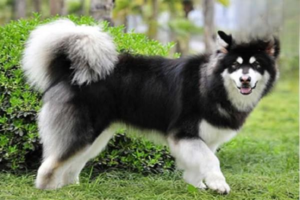
Why Is My Dog’s Skin Turning Black
Skin issues plague many owners—dogs easily get them, in many types. An owner asked why their dog's skin turned black. Here are the reasons and some prevention tips.

What Are the Early Symptoms of FIP?
FIP is second only to panleukopenia in threat to cats, caused by mutated coronavirus. This guide outlines the early, middle, and late symptoms of FIP and the two antiviral drugs, stressing early treatment.

How to Tell if a Persian Cat Is Purebred
Judge a Persian cat's purity by breed standard, pedigree certificate, appearance, and genetics—look for the round flat face, short thick nose, large deep eyes, and long dense coat. A pedigree certificate helps, and DNA testing confirms lineage. Pure or not, care, grooming, and a stable environment matter most.

How Important Is Keeping Your Dog Warm in Winter
Puppies, sick dogs, seniors, and pregnant or nursing dogs need extra warmth; other dogs are not very cold-sensitive while active, but in cold regions you must still insulate the dog house, bed, and crate. Cold weather also cuts appetite for clear reasons: less exercise slows digestion and causes food to sit; shorter walks lower calorie need; colds and flu suppress appetite; and cold or frozen food and water cause diarrhea. Protect your dog by expanding indoor space when walks are impractical, dressing puppies or dogs in cold spots, serving warmed food and water (never cold), avoiding overfeeding, drying the coat fully after baths, and walking at the warmest midday hours. New winter dog owners should be especially careful with warmth, clean bedding, and not overfeeding sleepy puppies.

What to Do When Your Dog Has a Runny Nose
Every owner meets a sick dog - runny nose, low spirits, diarrhea. Do not panic or rush to medication; first find the cause. Feel the nose: a healthy awake dog's nose is moist, so a wet nose with a runny nose usually means cold weather, while a dry nose with cough and lethargy likely means a cold. For cold-weather runoff, warm the dog well, since puppies have weak resistance. For a cold, see a vet and follow the advice - mild cases go home on schedule, severe ones may need fluids. Never give human medicine on your own if you are unsure; ask a vet. Also keep the diet plain - no salty or spicy food - and remember grains give the best coat and health, with meat as a supplement rather than a daily staple.

What to Do When Cat Hair Is Everywhere
When cat hair fills the home, brush your cat regularly with a pet comb to remove loose fur. Use a vacuum or lint roller on furniture, carpets, and bedding; for wipeable surfaces, a damp cloth balls the hair for easy pickup. Tape also works without tools. Regular baths and proper humidity help skin and coat health.