Search Results
817 results for “dry coat”

Autumn Cat Care Tips
As summer fades, the change to autumn brings special reactions in cats — seasonal shedding, estrus, and a dip in resistance. Learn the key points of caring for a cat in fall.

Do Corgis Shed? Causes and How to Manage It
Corgi owners know these dogs do shed, but the reasons vary and need a careful eye to tell apart. From shedding season to skin disease, learn why Corgis lose fur and how to keep it under control.

Type 1 and Type 2 Diabetes in Cats
Cat diabetes comes in two types, split mainly by how much the cat depends on insulin. Any cat can get it, but older, neutered, male, and obese cats are more at risk. Learn the causes, signs, and treatment of feline diabetes.

If Your Cat Keeps Scratching Its Ears and Biting Its Tail, Does It Have Skin Disease?
Persistent ear-scratching and tail-biting often signals skin disease — commonly mites, fleas, fungus, or allergies. Prevent it with regular grooming, a dry clean coat after bathing, a sanitized living space, and scheduled internal and external deworming.
Hairball Paste or Cat Grass: What Is Better for a Cat’s Hairballs?
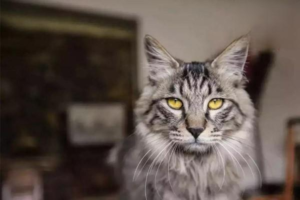
Hairball paste generally works better than cat grass, because cat grass triggers vomiting while paste gently moves hairballs through the gut with the stool. Feed paste 2-3 times a week for light groomers, or every 1-2 days for heavy groomers, and watch for soft stools from overuse.

Feline Pyoderma: Symptoms and Treatment
Pyoderma is a common bacterial skin infection in cats, often triggered by a damp environment or parasites. It ranges from superficial pustules to deep, painful infections. Diagnosis starts with a skin scrape at the vet, and treatment combines antibacterial care, wound cleaning, environment improvement, and regular deworming.

How to Prevent Feline Diabetes
Diabetes shows up as increased drinking and urination, more frequent eating, weight loss, fatigue, sugar in the urine, and proteinuria. The common treatment is insulin injections, so if you notice these signs, have your cat checked by a vet promptly. Prevention focuses on diet control, regular exercise, and routine check-ups.

What to Note When Plucking Long-Haired Rabbits
Long-haired rabbits yield much wool, a main fur breed. If you keep one, learn shearing. Plucking is not simple - many notes. Here they are.

What Happens If a Hamster Doesn’t Bathe?
Hamsters are easy to keep - just food and water, no bathing needed from you. But that does not mean they need no cleaning, so provide bath sand. Here are the consequences of not bathing.

Why Are Cats Cold-Sensitive, and Which Breeds Feel It Most?
Most cats are cold-sensitive because their coat insulates poorly and their desert ancestors loved warmth. A few breeds are the exception. Learn which cats need extra warmth.