Search Results
817 results for “dry coat”

Pet Skin Diseases (Part 1): Parasitic and Fungal Infections
Skin disease is common in dogs and cats and tends to flare up and recur, usually because their skin defenses are weak and their surroundings are full of triggers. The two hardest types to clear are external-parasite infestations (fleas, lice, mites, ticks) and fungal infections (ringworm); both cause intense itching, hair loss, and skin damage and need treatment of both pet and environment. Since they are contagious and slow to resolve, early veterinary care and consistent parasite control are the keys to recovery.

What to Do When a Bath Gives Your Cat a Fever
Cats chill easily, so a bath that isn't dried thoroughly can turn into a cold and then a fever. Treatment follows the cause and temperature—mild fevers may need nothing but monitoring, while anything above 104.5 F warrants a vet; prevention is simply thorough drying and a warm, draft-free home.

How to Calculate Your Cat’s Daily Water Intake
Cats evolved in arid environments and have a naturally weak thirst drive, so they often fail to drink enough — especially on dry kibble — which strains the urinary system. A practical rule is about 60 ml of water per kilogram of body weight per day, or roughly 1 ml per kcal eaten. Check skin elasticity, coat condition, and 2–3 daily urinations to gauge whether your cat is hydrated.

Why Spring Parasite Control Matters for Pets
Spring is peak parasite season, and both internal and external parasites threaten pets and can spread to people. Deworm puppies monthly until six months, then every 2–3 months internally and monthly externally; use vet-recommended products and follow dosing carefully.

Dealing with Static Shock on Cats and Dogs in Winter
Dry winter air leaves pets with a coat full of static that snaps and surprises them. Raise indoor humidity with a humidifier and safe plants, use an anti-static brush, a moisturizing shampoo, and cotton clothing to keep the zap away.
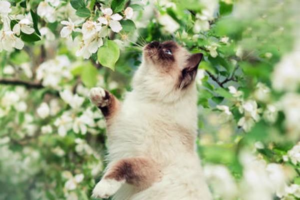
How Weather Affects Your Cat’s Mood and Health
Cats feel weather as keenly as people do, storms, cold, heat, and humidity all shift their mood and health. Watch for heatstroke and hypothermia in extremes, and keep the home between 20 and 25 C with sun, warmth, and steady routine.

How to Make Egg-Yolk Chicken-Breast Floss for Pets
This protein-rich topper uses chicken breast and egg yolk; go easy on the yolk to avoid heat, shred the breast finely, and stir constantly while pan-drying so it does not burn.

Can Dogs Eat Apples?
Apples are a safe, nutritious dog snack rich in vitamins and fiber, but skip the seeds and core for choking and cyanide risk. Dried apple makes a great treat too.

Can You Bathe a Schnauzer Puppy?
Yes, you can bathe a Schnauzer puppy — but not while it is sick or during its first week in a new home. Bathe in a warm room during the day, dry it quickly, and blow the back and belly completely dry first to prevent chills and skin trouble; a pin brush used while drying keeps the coat healthy.

What Your Dog’s Waste and Walk Reveal About Its Health
Beyond temperature, pulse, and weight, a walk is the best window into your dog's health — watch its gait, expression, and the color and shape of its urine and stool. Red or dark urine can mean bleeding, cloudy urine an infection, shiny urine crystals, and orange urine jaundice; soft, bloody, or black stool points to digestive trouble. Catch these early and bring a fresh sample to the vet.