Search Results
448 results for “dry cat food”
My 1.5-year cat had suspected dry FIP and 40 days of 441; now it begs for food but will not eat kibble; what should I do?
Poor appetite has many causes and leads to malnutrition, so find the reason. For suspected dry FIP, recheck blood markers before stopping 441, then adjust care. Offer tasty meat or cans and probiotics; see a vet if still not eating.
How long after neutering can a male cat eat dry food?
After neutering, a male cat can usually resume dry food within a day or so once it has fully recovered from anesthesia and is eating normally, though softer food may be gentler at first. Follow your vet's specific advice.
My cat suddenly refuses dry food but ate cooked chicken breast I offered; still won’t eat the kibble.
Refusing kibble may be pickiness from too many treats, spoiled food, or a sudden diet change. Illness can also be the cause if vomiting or other signs appear, so see a vet.
Why does my cat vomit dry food?
Cats vomit kibble from overeating, eating too fast, an abrupt food switch, esophageal irritation, or gut disease preventing digestion. Transition food gradually and check for underlying illness.
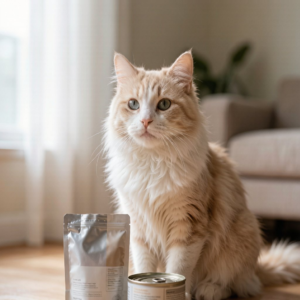
Dry or Wet Cat Food: Which Is Better? (Most Owners Pick Wrong)
Neither dry nor wet food is absolutely better; it depends on the cat. A healthy adult can follow a "dry in the morning, wet in the evening" rule, meeting nutrition and water needs while avoiding spoilage. Special cases, senior cats with poor teeth, 2-3 month kittens, and cats with urinary disease, should lean toward wet food. The catch: long-term wet feeding needs extra dental care. Dry food is convenient, cheap, and helps scrape teeth but is only ~5% moisture and calorie-dense, raising dehydration and obesity risk. Wet food is 70-80% moisture, tastier, and nutrient-rich but costs more, spoils fast, and leaves more residue on teeth.
My dog threw up a little food after dinner a week ago; I thought he had eaten too much and ignored it. Two hours later he suddenly vomited bright red, very watery blood. We rushed to the hospital for an X-ray, which ruled out a foreign object. CP L 223.75, amylase 471, lipase 71, creatinine 90.2, BUN 10.66, canine C-reactive protein 12.5. The vet said mild pancreatitis and gave an injection. On the third day an abdominal ultrasound showed an enlarged pancreas; CP L 88.48, amylase 456, lipase 62, creatinine 52.5, BUN 484, canine C-reactive protein 19.2. At first the dog had slight abdominal pain, the belly felt a bit hard but pressing caused no pain. No arched-back posture, appetite very good, stools normal, even a bit dry. No fever, very energetic. Now after stopping injections we feed small meals and a prescription diet, but every morning on an empty stomach he vomits thin brownish-yellow water, then is normal, with very good appetite and energy and normal stools. Do I need more tests?
Canine pancreatitis occurs when digestive enzymes secreted by the pancreas digest the pancreas itself and nearby organs due to inflammation, causing lesions. It has three types: acute, chronic, and relapsing. Its symptoms resemble acute gastroenteritis with vomiting, diarrhea, and abdominal pain. It is a complex, life-threatening disease; chronic pancreatitis is lifelong, so diet control and regular rechecks of pancreatitis markers are essential.

What If Your Cat Won’t Eat Lecithin?
Lecithin (inositol phosphatide) is vital for a cat's coat; deficiency causes shedding and dry fur. If a cat refuses it, mix it into smelly or favorite foods, or use powder form. Egg yolk, soy, and liver also help - 2-3 boiled yolks a week suffices.

How to Feed an Exotic Shorthair Cat
Exotic Shorthairs need wide, shallow ceramic bowls and a small-nozzle bottle; small kibble fed on a schedule. Daily eye/nose care, brushing, ear checks, malocclusion watch, stool monitoring, diet variety, low-dust litter, and regular deworming and vaccines keep them healthy.
My cat has weak hind legs but is otherwise normal, meows more, eats less—what could it be?
Weak hind legs have several common causes: leg injury or muscle strain; hind-leg fracture or arthritis; neuritis (supplement vitamin B1 twice daily); calcium deficiency from unbalanced diet; thrombosis from heart disease with cool paw pads; and dry FIP causing paralysis. If weakness comes with pain or screaming, see a vet promptly for diagnosis.

Do Cats Get Lonely?
Cats do feel lonely. Left alone for long periods with no companion, a cat will become lonely and may even develop depression, so consider whether you can give enough companionship before adopting. Signs include staring at the TV or window and losing interest in toys; the fix is more interaction, plus proper feeding, a clean environment, and constant access to water.