Search Results
47 results for “dressing dog”

Pulmonary Edema in Dogs and Cats: Symptoms, Treatment, and Prevention
Pulmonary edema is non-inflammatory fluid leaking from lung capillaries into the air spaces, causing severe breathing difficulty and frothy pink nasal discharge. It is an emergency treated by calming the pet, oxygen, diuretics, and addressing the underlying cause.

Salivary Gland Inflammation (Sialadenitis) in Dogs and Cats: Symptoms, Treatment, and Prevention
Sialadenitis is inflammation of the salivary glands in dogs and cats, caused by stones, viruses, or bacteria, leading to swollen, painful glands and fever. It is treated by addressing the cause, reducing inflammation, and veterinary-directed antibiotics.

Oral Foreign Body in Dogs and Cats: Symptoms, Treatment, and Prevention
An oral foreign body is an object that pierces or becomes lodged in the mouth tissues of dogs and cats, causing drooling, pain, and sometimes bleeding. It is removed by a veterinarian, with antibiotics to prevent infection.

Dental Calculus (Tartar) in Dogs and Cats: Symptoms, Treatment, and Prevention
Dental calculus is hardened mineral buildup on the teeth of dogs and cats that inflames the gums and causes bad breath. It is removed by professional scaling and prevented with regular dental care.

Necrobacillosis in Dogs and Cats: Symptoms, Treatment, and Prevention
Necrobacillosis is a chronic, sporadic infectious disease of livestock and pets caused by Fusobacterium necrophorum, marked by necrosis of the hooves, subcutaneous tissue, or digestive-tract mucosa. It can spread to internal organs (liver, lungs) forming necrotic foci, and sometimes causes oral or mammary necrosis.
My dog’s skin near the tail base turned red, it scratches and bites, and some spots are now scabbed — what is it and how do I treat it?
Red, itchy skin can be bacterial or fungal infection, parasite bites, allergies, and more. See a vet for diagnosis. If a visit isn't possible right now, rinse with saline and apply an antibacterial topical; if there's no improvement, the medication isn't right and the dog needs a vet exam.
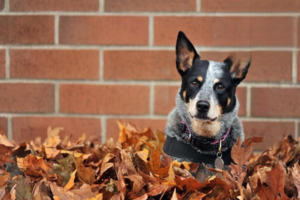
Winter Care Mistakes to Avoid for Dogs
When a cold snap hits, dogs sleep away the winter in warm beds — but keeping them cozy has traps. Five common warming mistakes can actually do harm, while a few simple habits keep a dog safe and comfortable.

Why Does My Dog Keep Tearing Up?
Constant tearing leaves dark stains because the wetness mats the fur around the eyes. The cause may be simple irritation, ingrown lashes, inflammation, or a blocked tear duct or ear issue, and each needs a different response.

Caucasian Ovcharka
The Caucasian Ovcharka is a large, powerful livestock guardian from the Caucasus Mountains. Successful breeding relies on linebreeding to preserve desirable traits while limiting inbreeding risks, and the breed needs ample space, regular exercise, and a diet suited to its great size and appetite.
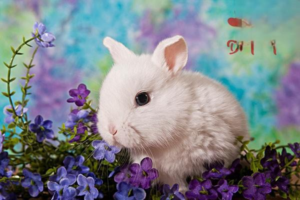
Rabbit Sore Hock: Symptoms and Treatment
Sore hock (pododermatritis) is common in rabbits — high-rate and harmful though not instantly fatal. It starts as bald, swollen, shedding foot skin, then abscesses and bleeding ulcers that spread. Cause is rough cage floors plus urine soak; treat by trimming, disinfecting, and padding, and prevent with clean, smooth cages.