Search Results
147 results for “doxycycline”
How to Tell If a Dog’s Cough Is Kennel Cough
Kennel cough is a contagious respiratory disease; suspect it with a harsh 'honking' cough that looks like retching, a pained look, and white foamy mucus, while energy and appetite stay normal. It lingers 1–3 weeks (unlike a 1–3 day plain cough) and follows contact with other dogs or busy pet places — unvaccinated puppies under 6 months are most at risk. Isolate, ease the neck (use a harness), and see a vet; never give human cold medicine.
What medicine should I give my cat for a cold?
Cat colds can be treated with GanNuoning and doxycycline tablets plus warmth and water, but a vet visit is needed if symptoms persist or point to viral rhinotracheitis. Never use human cold medicine.
What medicine should I give my dog for pus-like nasal discharge?
Pus-like discharge often means a respiratory infection treatable with doxycycline and pet anti-inflammatories. If it lingers past a week, a vet should rule out distemper or pneumonia.
What medicine can I give a cat with a cold?
For a cat cold use herbal formulas; for heavy nasal discharge, antibiotics like amoxycillin-clavulanate or doxycycline. If no improvement or fever, see a vet — and never use human cold medicine.

How to Prevent Respiratory Infections in Dogs in Winter
Respiratory disease peaks in winter and during seasonal changes, and is the most common problem seen in clinics. By site it splits into upper respiratory tract (URT) and lower respiratory tract (LRT) infection. URT is mostly viral with secondary bacteria and causes nasal discharge, sneezing, and nosebleeds; LRT is mainly bacterial and brings cough and breathing trouble. Diagnosis separates viral from bacterial with blood work and chest X-rays, and treatment uses vaccines, antivirals, and antibiotics such as doxycycline and enrofloxacin, plus cough and fever control.

Symptoms of Canine Distemper: Early, Middle, and Late Stages
Canine distemper is a highly contagious, often fatal viral disease that mainly strikes unvaccinated puppies, with death rates up to 90 percent in young dogs. The virus, which survives for weeks when frozen but breaks down at 50 to 60 C, spreads by contact and airborne droplets and appears as respiratory, digestive, neurologic, or skin forms. Early signs are lethargy, fever of 39.5 to 41 C, eye and nose discharge, sneezing, and diarrhea; the middle stage adds pus-like discharge, vomiting, and appetite loss; the late stage brings neurologic signs such as paresis, ataxia, and seizures. Diagnosis uses test kits, blood work, and PCR, and care focuses on vaccination, immune support, and symptom control.

Cat Upper Respiratory Infection: Symptoms and Treatment
A cat upper respiratory infection is inflammation of the mucous membranes of the upper airways. Affected cats typically cough, sneeze, and have a runny nose, sometimes with yellow nasal discharge, and a sudden drop in temperature, poor nutrition, or stress can trigger an outbreak. The usual culprits are viruses such as herpesvirus and calicivirus, bacteria such as Chlamydia, and fungi such as Cryptococcus. This article covers the common pathogens, how viral, bacterial, and fungal infections differ in their signs, what else can mimic these symptoms, and the supportive care and medications veterinarians rely on to treat them, from keeping the eyes and nose clear to antiviral, antibiotic, and antifungal therapy.

Health Check and Prep Before Bringing a New Cat Home
Before a new cat comes home, a health check is the smart first step, plus a few daily supplies once it arrives. A pre-purchase exam, blood and stool tests, and X-rays map out the kitten's condition. Then watch for the big early risks: panleukopenia, cat flu, ear mites, and gastroenteritis. Avoid baths or shaving unless a skin issue demands it, since the stress can trigger behavior problems and illness. Knowing the warning signs helps you act fast.
Cat Scratch Disease: A Zoonosis You Should Know
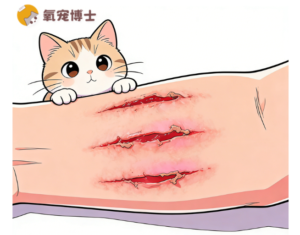
Cat scratch disease is a bacterial infection from Bartonella henselae, passed mainly by a cat's scratch or bite. Cats carry it without symptoms, but people can develop a red bump, swollen lymph nodes, and fever. Most cases are mild and self-limiting, yet antibiotics help when symptoms are strong. Wash any scratch well, and see a doctor if signs appear—especially for children and the immunocompromised.

What Is Feline Haemobartonellosis?
Feline haemobartonellosis, also called infectious anemia, is a rare but serious disease caused by a blood parasite that attacks red cells and triggers their destruction. It spreads through bites, scratches, fleas and ticks, and from mother to kitten, with outdoor and unneutered males at higher risk. Signs range from fever and lethargy to pale, yellow-tinged gums; diagnosis is by blood smear or PCR. Treatment uses antibiotics such as doxycycline or enrofloxacin plus supportive care, though the cat stays a lifelong carrier.