Search Results
10 results for “dopamine”
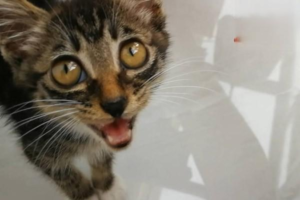
Why Do Cats Wiggle Their Butt Before Pouncing?
A cat's butt wiggle before pouncing is functional, not just funny: it coordinates both hind legs for a powerful leap, tests ground stability, and warms up the muscles, while also signaling hunting excitement driven by dopamine. It means the cat is fully braced for attack or prey—so keep your distance until it calms. The move is partly learned, as kittens under three weeks old don't do it.

Why People Love Talking to Their Dogs
As a dog owner, what's the weirdest thing others see you do? Talking to your dog, of course. Today we look at the benefits of talking to your dog.

Amazing Superpowers Dogs Have
From a built-in spin-dry and a unique nose-print ID to sensing earthquakes and reading your emotions, dogs possess remarkable abilities that make them far more than loyal companions.

Treatment of Dilated Cardiomyopathy (DCM) in Dogs
A dog's risk of heart disease rises with age, and most cases are dilated cardiomyopathy, often with shortness of breath. Early signs may be only an occasional cough - already a warning. Catch it early and treat early to avoid worse damage.

How to Choose a Hamster Exercise Wheel
A wheel is essential; without one, a hamster's excess energy leads to cage-biting. Wild hamsters roam 10 to 20 km a day, so the wheel meets that need and lifts mood. Pick diameter by breed, dwarf under 17.5 cm and Syrian under 21 cm, bigger is better, a solid gap-free surface to avoid trapped feet, and a quiet model.
How to reduce distemper convulsions?
Distemper convulsion is a late sign; to reduce it, take the dog to a vet promptly for antiviral and symptomatic treatment to limit virus damage. During treatment, use nerve-nutrient and sedative drugs like oryzanol, phenobarbital, dopamine, or acepromazine. Also supplement nutrition for recovery.

Why Does Your Cat Like to Sleep on You?
Cats sleep on you for warmth and safety (their wild ancestors sought sheltered warmth), to bond and show trust, and for comfort when anxious. The closeness even releases endorphins in you—but cats can carry parasites and bacteria, so deworm routinely, wash bedding often, and bathe the cat.

How to Show Your Cat You Love It
Cats feel love through gentle petting, daily play, a safe and cozy home, good food, and respect for their boundaries. A soft voice, a slow blink returned, and regular brushing all tell a cat it is cherished.

How Long Can a Dog with Uremia Survive?
A dog's life expectancy with uremia depends on disease stage, how quickly treatment begins, age, constitution, and nursing care. Early-stage dogs can live a long time with active treatment, while late-stage uremia is usually irreversible and may be fatal within days to a month.

What to Do If Your Dog Eats Rat Poison
Depending on the amount, type, and timing of rodenticide ingestion, some pets can be treated on an outpatient basis while others require hospitalization. Treatment for rodenticide poisoning may include one or more of the following approaches: