Search Results
714 results for “dog weight gain”

What Is Canine Distemper?
Canine distemper is a deadly, highly contagious viral disease — and 'fully vaccinated' isn't the same as 'actually immune.' Knowing the signs and the three prevention pillars is what protects your dog.

How Long Can a Husky Survive Canine Distemper?
A Husky with canine distemper that is caught and treated early has a good chance of recovery. Left untreated, the disease can be fatal within a few days to a week, so prompt veterinary care is the deciding factor.

Treating Canine Distemper in a Chow Chow
Canine distemper is one of the leading fatal viral diseases in dogs, and the Chow Chow is no exception. Caught and treated early, many dogs recover; by the late stage survival drops below 5%, so spotting the signs quickly is what saves lives.

How to Care for a Bichon Frise
Bichon care comes down to three things: brushing, bathing, and diet. Daily brushing prevents the curly coat from matting, a dog shampoo and correct water temperature keep the skin healthy, and small-breed food with vegetables balances the meal.

What Are the Early Symptoms of Canine Distemper?
Early distemper mimics a cold — watery nose, fever spikes, red tearing eyes, and growing lethargy with appetite loss. It's highly fatal without prompt care. Vaccination and isolation are the real defenses; see a vet at the first signs.
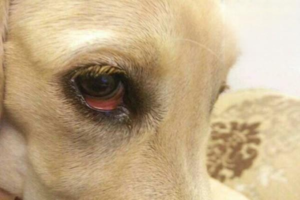
Does a Red Eye Mean Rabies?
A red eye by itself is almost never rabies; conjunctivitis or keratitis is the usual cause, while rabies adds fear of water, light, and aggression. Treat the eye with vet drops, and vaccinate against rabies.

Puppy Tracheitis and Bronchitis: Symptoms and Treatment
Dog tracheitis and bronchitis come from repeated viral or bacterial infection plus cold, smoke, and dust irritation, but with good home care and the right medication the recovery rate tops 95%. Watch for cough, fever, and breathing trouble.

Schnauzer With Bumps and Scabs on the Skin
Bumps and scabs on a Schnauzer's skin usually point to a parasite problem or a fungal or bacterial infection. Small affected areas can often be managed at home with gentle cleaning and a vet-recommended spray, but widespread or worsening lesions need a vet visit.

How to Treat Skin Disease in a Puppy
Skin disease is common in undernourished or frail dogs, and hits puppies and weak individuals hardest. The main culprit is the fungus Microsporum canis, which survives for months — even years — on surfaces. Signs range from mite-driven red spots to visible fleas, and treatment means shaving, topical medication, environmental disinfection, and an Elizabethan collar.

How to Treat Skin Disease in a Poodle (Teddy)
Poodles have dense, curly coats that trap moisture and parasites, making them especially prone to mite-driven skin disease in hot weather. Red, itchy bumps, hair loss, and constant rubbing against furniture signal infection. Treatment pairs a topical parasiticide with an oral dewormer, plus a medicated ointment for severe cases, and omega fish oil to aid coat recovery.