Search Results
714 results for “dog weight gain”
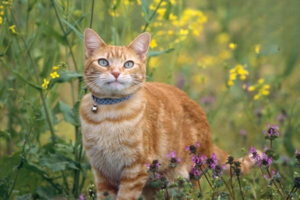
Everyday Flea Prevention and Care for Cat Households
Spring and summer are peak parasite season, and fleas are a common nuisance for cat owners. A cat that scratches constantly may have fleas, mites, allergies, or ringworm — confirm with a Wood's lamp, hair exam, or the classic 'damp tissue test' where flea dirt turns red. These tiny jumpers can produce 250,000 offspring a month, so prevention matters: vacuum cracks and gaps, comb with a flea comb twice weekly, hot-wash bedding, and keep the home dry (fleas like 18–27°C, ~75% humidity). If infected, use monthly topical prevention, treat inflamed skin, and watch for tapeworms passed via fleas.

Physiological Traits of Newborn Puppies
Newborn puppies are fragile and depend entirely on their mother. They can't stand at birth, regulate their own temperature, or control elimination, and their digestive and immune systems are still developing — they get early immunity only from the mother's colostrum, which drops sharply after 25 days. Good daily care means a warm, quiet nest, supplemental warming if the mother is absent, scheduled nursing with small frequent milk feeds, and daily checks of elimination. Watch for diarrhea and keep the umbilical area clean and disinfected with iodine to prevent infection.

What Every Pet Owner Should Know About Vaccinations
Vaccines are a core part of protecting your dog or cat. A vaccine is a weakened virus that trains the immune system to fight real infections, guarding against deadly diseases such as distemper, parvovirus, adenovirus, rabies, feline panleukopenia, calicivirus, and rhinotracheitis. Puppies can be vaccinated from 45 days old and kittens from 63 days, after weaning and a short settling-in period. Even with proper vaccines, immunity can fail due to maternal antibodies, immunosuppression, stress, or infection during the incubation window—so follow your vet's timing.

How Much Does a Pug Cost?
The pug—famous for its wrinkled, comical face—is a common, affectionate pet whose price is more modest than its fame suggests. Most pugs cost about 300–500 yuan, while a healthy, well-bred dog with good conformation may run 1,000 yuan or more; show or top-bloodline dogs cost considerably higher. Prices vary by bloodline, looks, and health. When buying, choose a reputable seller, verify the dog's health and paperwork, and be wary of unusually cheap puppies, which may be sick 'bargain' pups that fall ill soon after arriving home.

Thinking of a Golden Retriever? Know This First
The Golden Retriever is smart, gentle, and friendly, and with training can work as a guide or search dog. But it sheds heavily, drools, has a strong odor, eats a lot, and needs at least 1–2 hours of exercise daily or it turns anxious and destructive. It's also prone to hip dysplasia, obesity, ear infections, and eye disease. Know the real commitment before you bring one home.

Enrofloxacin for Pets: What It Treats and Key Safety Notes
Enrofloxacin is a third-generation fluoroquinolone antibiotic made for animals. It works by blocking a bacterial enzyme needed for DNA replication, and it is commonly used for urinary, reproductive, digestive, and skin or soft-tissue infections in dogs and cats. It is prescription-only: typical oral dosing is 5–10 mg/kg per day, and several groups should never receive it. Always follow your veterinarian's plan.
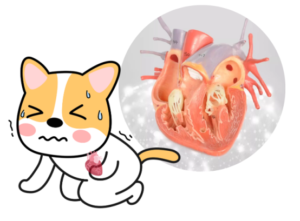
Pet CoQ10 Red/Black List Thinking: Reading the Test Data
About 10% of dogs and 7% of cats develop heart disease in their lifetime, and the early signs are easy to mistake for normal aging or a cold — until diagnosis, when the damage is often irreversible. CoQ10 is frequently advised, but 'which one' is the hard part. This guide separates the real science from the marketing: what CoQ10 actually does, the drug it cannot replace, and the four hard metrics a product should meet.
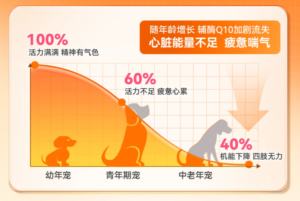
Choosing a Pet CoQ10: Skip the Hype, Pick What Works
As pets reach middle and old age, heart care becomes unavoidable — especially for overweight cats and dogs and for breeds prone to heart disease such as Siamese and Ragdoll cats, Toy Poodles, Pomeranians, and Cavalier King Charles Spaniels. CoQ10 is a core heart nutrient and appears in veterinary cardiac plans, but the crowded market makes choosing hard. This guide explains what CoQ10 does and the three points that separate a working product from a hype-driven one.

CoQ10 for Pets: What It Is and How to Choose a Quality Supplement
Coenzyme Q10 (CoQ10) is a fat-soluble compound that helps cells produce energy, and it is concentrated in the heart, kidneys, liver, and brain. As cats and dogs age, their ability to make CoQ10 declines, which is why it is often discussed as a heart-support supplement. This guide explains what CoQ10 does, which pets are most likely to benefit, how to judge a supplement's real quality, and practical feeding tips — so you can make an informed choice instead of relying on marketing claims.
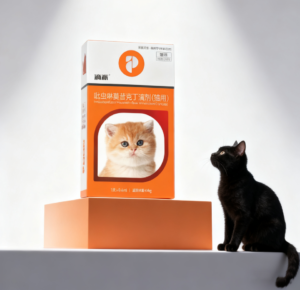
Cat Dewormers Compared: How to Choose the Right One
More than half of household cats are estimated to carry at least one parasite at some point, with fleas, roundworms, and heartworm among the most common. Regular, science-based deworming can sharply lower that risk and protect both cat and owner. This guide compares the main types of cat dewormers by their active ingredients and explains how to match a product to your cat's age, lifestyle, and parasite exposure, so you can build a safe, sustainable routine without relying on brand hype.