Search Results
714 results for “dog weight gain”

Symptoms and Treatment of Canine Parvovirus
Canine parvovirus, also called 'dog turning intestines,' is a very serious contagious viral disease. But it is not untreatable - early detection and early treatment give a dog a good chance of recovery. Here are its symptoms and treatments.

Symptoms and Treatment of Canine Infectious Hepatitis
Canine infectious hepatitis is an acute, contagious septicemic infectious disease caused by canine adenovirus type I. Its main features are fever, jaundice, leukopenia and hemorrhagic centrilobular hepatic necrosis. This article explains its symptoms and treatment.

What Are the Symptoms of Rabies
Rabies, also known as hydrophobia or "mad dog disease," is an acute contagious zoonotic disease caused by the rabies virus, mainly showing excitement and paralysis. This article explains what the symptoms of rabies look like.

Why Tail Docking and Ear Cropping Are Rare Abroad
Many countries have banned cosmetic tail docking and ear cropping as inhumane. Understand the history, the arguments on both sides, and why the practice is fading.

How to Help Your Cat Live a Longer, Healthier Life
A cat's longevity depends on weight control, a healthy gut, antioxidants, muscle mass, and skin health. Support these through quality protein, targeted supplements, and daily activity.

Symptoms and Treatment of Canine Infectious Tracheobronchitis
Canine infectious tracheobronchitis, also known as kennel cough, is a respiratory infectious disease caused by Bordetella bronchiseptica. This article explains its symptoms, differential diagnosis and treatment.

How to Treat Infectious Canine Hepatitis
There is no specific cure for infectious canine hepatitis - treatment is symptomatic, based on signs and experience. Best of all is prevention: vaccines are over 90% effective. Here is how it is treated.
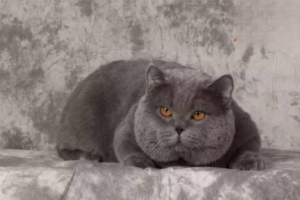
Can You Use Erythromycin Ointment for Cat Eczema? (and What to Use)
Erythromycin ointment is an eye ointment for conjunctivitis with some anti-inflammatory effect, but it does little for cat eczema. Here is why, and what actually works.

How to Treat Cat Eczema — Is It Hard to Cure?
Cat eczema is a common skin inflammation driven by allergens like flea saliva. It is treatable but needs steady, patient medication or it keeps coming back. Learn the causes, signs, and the treatment steps.

Taboos to Avoid When Raising Rabbits on a Farm
Good rabbit husbandry means avoiding common mistakes: keep the hutch dry and quiet, control heat, vary the diet, feed measured amounts, transition feed gradually, and never serve spoiled feed or skip nighttime feeding and water. Following these basics lowers disease risk and keeps rabbits thriving.