Search Results
714 results for “dog weight gain”

What to Do If Your Dog Is Too Thin?
A thin dog is most often undernourished, but disease, digestion problems, tumors, or parasites can also cause weight loss that needs veterinary attention. Start with a high-quality, balanced diet suited to the dog's age and activity, add easily digested protein such as cooked chicken, fish, or egg, and feed smaller meals more often to improve absorption. Light daily exercise boosts appetite and metabolism. If good feeding and exercise do not help, or the dog is naturally a slender breed but otherwise healthy, a vet check rules out hidden illness.

How Accurate Are Dog Parvo Test Kits?
Canine parvovirus test kits are generally 80-90% accurate, but results depend on timing of infection, viral load, brand, and technique. In early infection or with low viral load they can show false negatives, and poor storage or handling causes errors, so clinics use them only for initial screening. To confirm parvo, veterinarians combine the kit with PCR, serology, pathology, and clinical signs such as vomiting, diarrhea with blood, fever, and lethargy. Proper use involves collecting a swab sample, applying it to the strip, waiting a few minutes, and reading the result against the instructions.

Why Is Your Dog’s Tail Tucked Between Its Legs?
A tail tucked down usually signals fear, nervousness, or discomfort. A slight tuck may mean mild unease or wariness of a stranger or possible danger; a tail pressed tightly under the body points to real fright or stress. It can also stem from illness or pain, including a tail injury. Watch the dog's posture and other signs—comfort an anxious dog, and if pain or other symptoms appear, see a veterinarian.
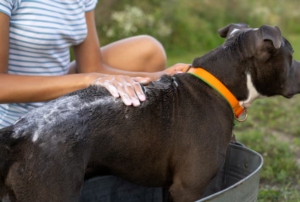
How Often Should You Bathe Your Dog in Summer?
Bathing your dog once a week is usually too often. A dog's skin relies on its sebum layer to stay moist and protected; over-bathing strips it, causing dryness, worse odor, and skin infections. Frequency should follow coat type and lifestyle—indoor small dogs may need only every two to three weeks, while active outdoor dogs can go weekly. Between baths, wipes, toothbrushing, and ear care keep odor down.
Are Combined Flea-and-Worm Treatments Right for Your Dog?
Combined spot-on treatments protect against many internal and external parasites in one dose, which is why they are a top choice for busy owners. But they are not universal—many don't cover ticks or tapeworms, and timing matters. This guide explains how they work, how to match the active ingredients to your dog's risks, and how often to dose.

Can Dogs Get Annoyed With Their Owners?
Dogs can grow weary of their owners, but it is less 'annoyance' and more that the owner's interaction style has become a source of stress. Endless hugging, kissing, or disturbing a dog's rest can raise its cortisol level by 27%–42%, leading to refusal to interact, ignored commands, sudden warmth toward strangers, or even furniture-chewing as a silent protest. The remedy is healthy boundaries: learn the dog's 'emotional threshold' signals—yawns, nose licks, a turned back, avoided eye contact—then stop and give it space, keep a predictable routine, and spend quality time outdoors together.

Do Dogs Get Sad When Abandoned by Their Owner?
Dogs do get hurt when abandoned. They are gentle, sensitive animals that care deeply about their owner, and being left can bring intense loss and loneliness—some even refuse food or sink into depression. The emotional wound runs deep and long. Beyond the heartbreak, a dumped dog may face hunger, abuse, and the hard task of trusting strangers again. Owners should take responsibility for a dog's whole life and never give one up lightly.

Dog Panting After a Short Walk? Watch for Heart Trouble
Panting after a brief walk is not always harmless—it can be a dog's heart crying for help. Heat, obesity, and flat-faced breeds pant normally and recover within minutes, but sudden breathlessness at rest, coughing at night, bluish gums, or constant fatigue warrant prompt cardiac screening. Early diagnosis and steady daily care can dramatically slow heart disease.

How to Tell Whether Your Dog Has a Cold or Distemper
A dog's ordinary cold and canine distemper can look alike at first, but they are very different problems. A simple cold brings runny nose, sneezing, fever, and cough from a viral or bacterial respiratory infection and is usually easy to treat. Distemper, by contrast, is a highly contagious and stubborn disease whose early sign is often a cold-like state; warning signs include diarrhea, bloody stool, vomiting, thick pus-like discharge from the eyes and nose, lethargy, and shivering. Distemper is far more dangerous, especially in puppies, and belongs in the hands of a veterinarian. The best defense against distemper is routine vaccination and avoiding unvaccinated groups during outbreak seasons.
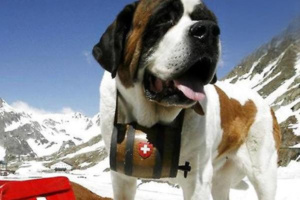
How to Teach Your Dog to Play Dead
Playing dead is a classic, crowd-pleasing trick that also taps into a dog's natural instinct to freeze when threatened. A responsible owner can bring that instinct back and turn it into a fun party piece. The training has four stages: pair a cue like a hand gesture or a mock "bang" with the down position, then teach the dog to hold still until released, build up to ignoring distractions, and finally "revive" the moment you call its name. Go slowly, use a calm reward when the dog stays down, and keep sessions short and upbeat so the dog learns the difference between the trick and a real rest.