Search Results
194 results for “dog water intake”
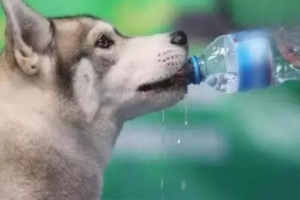
How Much Water Should a Dog Drink a Day?
A puppy needs about 80 ml of water per kg daily and an adult about 100 ml; falling short loads the kidneys and feeds stones and urinary disease. Watch for dry gums, sunken eyes, and dullness as dehydration sets in, and coax drinking with pre-meal sips, walks with water, or a splash of broth.

How to Calculate Your Cat’s Daily Water Intake
Cats evolved in arid environments and have a naturally weak thirst drive, so they often fail to drink enough — especially on dry kibble — which strains the urinary system. A practical rule is about 60 ml of water per kilogram of body weight per day, or roughly 1 ml per kcal eaten. Check skin elasticity, coat condition, and 2–3 daily urinations to gauge whether your cat is hydrated.

What to Do When Your Dog Is Constipated in Summer
Summer constipation in dogs disrupts gut function and dulls the coat. The fix is mostly prevention—more water, exercise, and fiber—since causes range from table scraps to low fluid intake.
Bladder and Urethral Stones in Dogs: Symptoms and Treatment
Urinary stones form when minerals crystallize in the bladder or urethra, causing straining, frequent tiny urinations, and blood in the urine. Bladder stones usually need surgical removal; urethral stones are flushed back or taken out surgically. Prevention centers on plenty of water, adequate vitamin A, and a balanced diet rather than an all-meat one.

What Your Dog’s Waste and Walk Reveal About Its Health
Beyond temperature, pulse, and weight, a walk is the best window into your dog's health — watch its gait, expression, and the color and shape of its urine and stool. Red or dark urine can mean bleeding, cloudy urine an infection, shiny urine crystals, and orange urine jaundice; soft, bloody, or black stool points to digestive trouble. Catch these early and bring a fresh sample to the vet.

Preventing Colds in Dogs During Spring
Spring's swinging temperatures let colds take hold, and a simple cold can escalate into rhinitis, bronchitis, pneumonia, or even distemper. Keep your dog warm, dry, exercised, and well-fed to stay ahead of it.

Why Dogs and Cats Vomit After Eating Dry Kibble
Dry food is made by extrusion, which puffs each piece so it swells sharply once it meets stomach fluid — a belly full of expanding kibble is a common reason dogs and cats bolt their food and then vomit. Soaking the food softens it and eases the gut, while slow-feeder bowls, split meals, and probiotics help dogs with sensitive stomachs.
Is Poor Appetite Normal During a Dog’s Teething?
A dip in appetite during teething is normal—sore, itchy gums make hard kibble painful—so switch briefly to soft food (soaked kibble, goat's milk, millet or meat porridge, puppy wet food). Keep hazards away, offer chews (not hard bones), mind oral hygiene, and add calcium to avoid retained baby teeth.

Why Your Dog’s Eyes Are Bloodshot and What to Do
Bloodshot eyes usually come from a stray particle, an infection or inflammation, or dietary 'heat.' Remove the irritant and use pet eye drops for inflammation, while boosting water intake and switching to a lighter diet for heat-related redness.

How Much Water Should a Dog Drink?
Water intake matters: too much or too little both signal trouble. A healthy dog drinks about 40–60 ml per kg per day; past 100 ml/kg means a serious illness needing a vet. Too little leads to dehydration and lets bladder crystals form stones. The fix is behavioral — reward the dog for drinking so it builds the habit.