Search Results
32 results for “dog walk hygiene”
Dog Coronavirus: Symptoms and Prevention
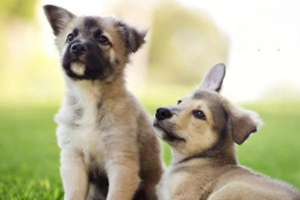
Canine coronavirus starts with lethargy, appetite loss, vomiting, and watery diarrhea, and hits puppies hardest — dehydration, sunken eyes, and, without treatment, death within 1–2 days. Prevention is hygiene: daily kennel cleaning, disinfected bowls and water, colostrum for newborns, and immediate isolation plus vet testing at the first sign.

Dog Hookworm Infection: Symptoms and Treatment
Hookworms are intestinal parasites that cause weight loss, bloody tarry stool, and skin irritation, and can be fatal in puppies. They spread through contaminated feces and soil, so prevention hinges on deworming, kennel hygiene, and keeping dogs away from other dogs' waste.

Is It Really Okay to Raise a Dog Like a Child?
'Fur child' is our affectionate term for pets, treating them like hairy children. As living standards rise, more people keep dogs; some over-indulgent owners feed premium food and even sleep with the dog. But is such over-indulgent, child-like raising truly good?

A Beginner’s Guide to Raising a Dog
New owners should start with a health check, deworming, and vaccines; help the dog adapt with patience, companionship, and chew toys; and prepare a crate, bowls, and safe supplies.

How to Treat Dog Interdigital Dermatitis at Home (and Is It Easy?)
Interdigital dermatitis is a skin disease from bacterial or mite infection. Treated promptly, it recovers quickly. Here is how to treat it at home and which medicines to use.

What to Do When Your Dog Has a Cold and Cough
Caring for a dog is like raising a child - feeding, shelter, and sickness all fall to you, and the common cold is near the top of the list. A dog with a cold looks defeated: ears down, eyes shut, motionless in the bed, with a rising temperature (adult dogs run below 39.2C, puppies 38-39C; above 39C means fever). It also coughs, has a runny nose, red conjunctiva, poor appetite, and shivers from the cold. Do not bathe a sick or coughing puppy - bathing strips a protective layer and lowers immunity. Keep the sleeping area warm with a blanket or hot-water bottle, dress the dog for walks, and keep the bed out of drafts. For the cough and runny nose, a half-packet of children's cold granules three times a day for about a week helps; dog-specific supplements are an option too. Feed nutritious food like beef and vegetables to build resistance, and catch illness early.
Will a Dog’s Urinary Tract Infection Heal on Its Own
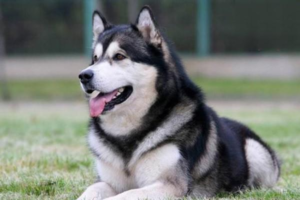
A dog's urinary tract infection usually won't heal on its own and worsens if ignored. Causes include bacterial exposure (urinating in grass, damp fur), a salty/oily diet, holding urine over 12 hours, and poor genital hygiene. Treatment needs a vet: bacterial UTIs use anti-inflammatories like amoxicillin or cefadroxil, with IV fluids and possible stone surgery if needed; poor response may mean antibiotic resistance.

Can a Dog’s Granuloma Be Treated?
Granulomas usually come from infected skin breaks, low immunity, allergies, or insect and parasite bites. Stop your dog from licking, keep its environment clean, feed well, and deworm regularly to lower the risk.

What Medicine Should I Give a Dog Passing White, Thread-Like Worms?
White, thread-like worms in a dog's stool usually signal roundworms, hookworms, or tapeworms. Dewormers such as praziquantel, albendazole, or ivermectin can help, but a vet visit and fecal test should come first to identify the parasite. Good hygiene and regular deworming prevent reinfection.
What should I pay attention to during my dog’s heat period?
During a dog's heat period, keep things clean, because the vulva discharges a little red or pink fluid; though the dog usually licks it clean, the rest can stain sofas, pads, and blankets, so consider dog diapers. Second, immunity is lower then, so keep the dog warm in cold weather with a soft pad. Finally, if you do not plan to breed, watch for male dogs on walks to avoid accidental pregnancy.