Search Results
62 results for “dog vaccination reaction”

How to Help a Kitten Quickly Adapt to a New Environment
Will a kitten have a stress reaction in a new home? What if a shy kitten refuses food? How should a newcomer get along with a resident cat? These seem simple but make owners very anxious.
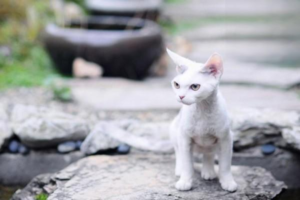
Don’t Starve a Picky Cat for Days — It Can Cause Fatty Liver
As is well known, a cat's taste buds are sensitive, so they are picky eaters. When owners suddenly switch to new food or buy new treats on a whim, the cat may simply refuse them.
What happens when a puppy gets vaccinated?
Vaccines prevent distemper, parvovirus, hepatitis, leptospirosis, rabies, etc. Some dogs feel brief discomfort like fever or low appetite for 2-3 days; keep the environment clean and see a vet if it persists.
How to Vaccinate a Puppy?
Puppies start vaccines at about 6 weeks with three shots every 3-4 weeks plus rabies. Deworm first, use a licensed clinic, and observe 30 minutes after for reactions.

Poodle (Caniche)
The Poodle, often groomed in the popular 'Teddy' style, is a smart, low-shedding companion dog that comes in standard, miniature and toy sizes. Lively and affectionate, it is one of the most popular pets.
What happens after a Samoyed gets vaccinated?
A Samoyed usually has no bad reaction after vaccination; a few may have mild swelling, pain, low fever, or lethargy at the injection site for 1–2 days — observe and ensure rest and nutrition. Rarely, an allergic reaction (rapid breathing, itchy skin, vomiting, diarrhea) needs immediate vet care.

Can a Puppy With a Runny Nose Get Vaccinated?
Dogs showing any sign of illness—such as a runny nose, sneezing, vomiting, or diarrhea—should not be vaccinated, because live-attenuated vaccines can worsen an existing condition. Puppies need to be at least 45 days old for their first shot and about 3 months old for the rabies vaccine, with deworming spaced roughly a week apart. After vaccination, observe the dog for 30 minutes, avoid baths for 7 days, and confirm immunity with an antibody test around 15 days later.
What happens if a puppy is vaccinated too early?
A puppy's vaccination schedule is based on vaccine type and age. Vaccinating too early or too late within the window can negatively affect health. Early vaccination may produce an insufficient immune response and fail to generate enough antibodies.
What happens if you bathe a puppy?
Bathing a puppy easily causes chills and colds, and may trigger a stress reaction. Puppies have weak resistance and sensitive skin, so poor warmth during bathing can lead to colds; rough or long baths can cause stress with loss of appetite, lethargy, vomiting, and diarrhea. Wait until vaccines are done; use dry shampoo or a damp towel if dirty.

What to Keep in Mind When Using Topical Flea and Tick Treatment on Cats
Cats can pick up external parasites at any time of year, so regular preventive treatment matters. Topical products come as sprays or spot-on drops, and their coverage depends on the active ingredient, so the right choice depends on your cat's lifestyle and the parasites it faces. Apply spots along the spine, dose by weight, avoid bathing for a few days, and use an Elizabethan collar to prevent licking. Kittens can start around two months old with monthly treatment; adults need it every one to three months, more often in warm seasons or for outdoor cats. Never use dog-only products containing permethrin on cats.