Search Results
169 results for “dog urine”

Why Cats Refuse to Drink from Their Water Bowl
Cats naturally drink little because their desert ancestors avoided shared water sources, but chronic low intake raises the risk of urinary and kidney disease. Encouraging hydration through fountains, wet food, and flavored water makes a real difference.

Foods That Are Toxic to Cats
Unlike dogs, many things people can eat harm cats. Some seasonings also burden a cat's body.
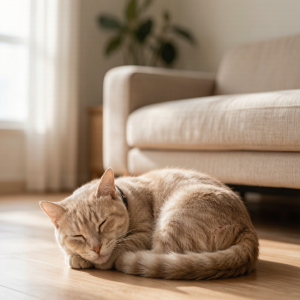
Does Your Cat Really Need to Be Spayed or Neutered?
Must a cat be spayed or neutered? Many owners have this doubt. In fact, neutering is the best overall way to ensure a pet's welfare and improve its quality of life. If the owner does not plan to breed the cat, it is best to have it fixed. Let us look in detail at the benefits of neutering and the impact of not neutering.

What to Do When Your Cat Keeps Peeing on the Bed
Recently, the most frequently asked question: what do I do when my cat keeps peeing on the bed? We previously shared a guide on inappropriate urination, but some said it was not clear enough in practice. This time we systematically and thoroughly summarize it! Please read and understand it repeatedly, and feel free to add your own tips.

How to Manage Thunder and Noise Phobia Anxiety in Pets
At the first clap of thunder, your dog suddenly vanishes, and you may find it in the darkest corner of the closet or under the bed. Even if your dog is one of the so-called fiercest breeds, when thunder sounds it may tremble on your lap or at your feet. This article explains noise phobias and how to help an anxious pet.

Are Cats Really Smart?
Cats are certainly intelligent—they learn and adjust based on what they discover. Their brains are structurally similar to ours, with the same lobes, neurotransmitters, and five senses. Like us, they have short- and long-term memory, can be trained with food rewards, and may decline with age (Feline Cognitive Dysfunction).

Cat Anatomy and Nutritional Requirements
A cat's body has nine notable parts (limbs, eyes, teeth, paw pads, nose, tongue, claws, whiskers, ears), and its diet needs core nutrients: protein, fat, carbohydrates, water, crude fiber, magnesium, calcium, phosphorus, and taurine. As obligate carnivores, cats need animal-source nutrition.

Why Your Cat Won’t Eat Its Food
A cat that refuses food needs attention — some causes are simple, others serious. A vet will ask about recent diet and household changes and run tests to find the reason, and prompt care leads to good outcomes for many conditions.

What Are the Symptoms of Canine Distemper?
Distemper is a highly contagious, often fatal viral disease. It starts like a cold and worsens through coughing, thick discharge, bloody diarrhea, and finally neurological signs, so early isolation and veterinary care are critical.
- « Previous
- 1
- …
- 15
- 16
- 17