Search Results
45 results for “dog urinary antibiotics”

Dog Urine with Blood: Causes and What to Do
Blood in dog urine usually means tract injury or infection, but causes differ — urinary disease, an intact tom's mating friction, poisoning, or blood parasites. This guide covers each with the right treatment.

Why Is a Dog’s Urine Very Yellow?
Dark yellow urine means excess metabolites — usually 'heat' from diet or a urinary disease. This guide separates the two and the meds and diet fixes for each.

Why Is There Blood in Your Dog’s Urine? (Causes and What to Do)
Blood in your dog's urine can be caused by several issues — heat (estrus), poisoning, or urinary system diseases. The exact cause must be judged from your dog's symptoms. Below we break down the reasons behind bloody urine in dogs.
What medicine should I give a dog with a urinary tract infection?
Common UTI drugs are anti-inflammatories and anti-infectives like amoxicillin and enrofloxacin, but causes differ. See a vet for the cause; stones may need surgery plus post-op antibiotics.
What symptoms does urethritis show in a female dog?
Female canine urethritis shows difficult, painful, cloudy urination and painful dribbling. The area swells, is sensitive, and the opening is red and swollen. Treat with anti-inflammatory and anti-infection medicine; for mild cases give water and antibiotics, and keep the area clean.
What medicine treats a dog’s urinary tract infection?
Dog UTIs need antibiotics like amoxicillin, but stones must be ruled out with imaging. Surgery may be required before antibiotics.
What medicine for a female dog’s urinary tract infection?
A UTI has different causes needing different treatment. Bacterial infection uses antibiotics such as cephalosporins, ampicillin, and ciprofloxacin, with painkillers and diuretics. Fungal infection needs antifungal drugs like clotrimazole.
What does blood in urine and refusal to eat mean in a dog?
Blood in urine has several causes; most are urinary - urethritis, cystitis, kidney issues, stones, tumors - or trauma from impact. Poisoning causing hemolysis (onions, leeks, rat poison) also does it, as do blood parasites from ticks (babesia, anaplasma, Lyme). Mild urethritis keeps spirits and appetite, so observe with antibiotics; with lethargy, fever, or anorexia, see a vet to avoid worsening.
What medicine for a dog’s urinary tract infection?
UTIs are treated with antibiotics and anti-infectives such as cephalosporins, fluoroquinolones, or sulfonamides, used under veterinary guidance. Dose by the vet to avoid harm, especially in small dogs.
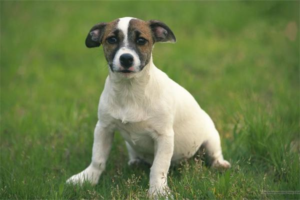
What Is a Dog Urinary Tract Infection?
Dog urinary tract infections are usually caused by bacteria, urine retention, or low immunity, with signs like difficult, frequent, or urgent urination, sometimes blood or incontinence. Diagnosis is by urinalysis; treatment is antibiotics plus plenty of water. Keep the genital area clean and avoid prolonged holding of urine.