Search Results
87 results for “dog training tips”

Dog Training Tips and Notes
Good training makes a better pet, and the right techniques save effort, such as catching the best training window. Here are dog training tips and cautions.

Tips for Training Your Dog
Many owners train their pet from a human viewpoint. Although dogs have lived with people for a while, don't expect a dog to grasp your good intentions—no matter how cute, its nature is a wolf in disguise.

Dog Training: Methods and Tips
Well-behaved dogs are made through training. Train during the ideal window of 3–6 months in a distraction-free space, use short, consistent commands, keep sessions to 10–15 minutes, and reward correct behavior with praise or treats. A toy held at eye level can refocus a distracted puppy.
What are some tips for training a dog?
Good dog training starts with name recognition, clear cues and gestures, and timely praise or correction. Keep sessions short to hold the dog's attention.

How to Stop Your Dog from Eating Things off the Ground
How does a dog explore the world? Beyond smell and sight, the mouth is essential - especially for puppies curious about anything on the floor. Today we look at breaking the 'eat whatever you find' habit.

How to Brush Your Dog’s and Cat’s Teeth
National Day nears; the author wishes owners a happy holiday and reminds: don't forget to spend time with your pets!

Beagle Hunting Training: Methods and Tips
The Beagle has strong hunting instincts, so training one well requires understanding its habits before any training begins. Owners must be very patient when training a Beagle. This article introduces training methods for hunting with a Beagle.
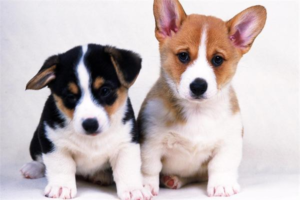
Can Dogs Understand What We Say?
Dogs can't speak our language, but they are remarkably attuned to us. Through tone of voice, facial expression, and body language they pick up a wealth of information, and with training they can learn dozens—even over a hundred—words and commands. They also read routines (grab the leash and they know a walk is coming) and talk back through tail wags, retreats, and whimpers. Their grasp of grammar is limited, so keep cues short and pair them with gestures. In short, dogs may not understand sentences, but patient training builds genuine two-way communication.

Icelandic Sheepdog
The Icelandic Sheepdog, originally from Iceland and dating to the 17th century, is Iceland's only native breed. Brought by Scandinavian settlers around 874–930 AD, it nearly vanished from a plague but was revived through the efforts of breeders in Iceland and Britain.

German Shepherd Dog
The German Shepherd Dog, developed in Germany in 1899, is a large, versatile working dog used worldwide as a police, detection, and guide dog, as well as a popular family companion. Confident and capable, it excels at any task.