Search Results
114 results for “dog thyroid”

Symptoms of Hypothyroidism in Dogs
Canine hypothyroidism can cause obesity, low energy, poor appetite, hair loss, and cold intolerance, but these signs also fit other diseases - so get a vet check. Treatment is lifelong thyroid-hormone supplements, dosed by the vet.
What happens if a dog has hypothyroidism?
Hypothyroidism means too little thyroid hormone, slowing metabolism and overall body function. Common in dogs aged 2-6, signs include lethargy, slow reaction, unwillingness to move, weight gain with normal appetite, and symmetric non-itchy hair loss; some show nerve signs. Seek veterinary hormone therapy.
How long can a dog with hyperthyroidism live?
Life span depends on treatment; with good care the dog returns to normal life. Signs are clear: weight loss, bulging eyes and thyroid swelling, so caught early. Treated in time, recovery is good; without enough treatment and infection, life is at risk.

Myxoedema (Hypothyroid Dermatosis) in Dogs and Cats
Myxoedema is a hypothyroid disorder in which mucinous material accumulates in the skin and tissues. It causes obesity, marked hair loss, lethargy and cold intolerance, and is treated mainly with thyroid hormone replacement plus skin support.

Hypoparathyroidism in Dogs and Cats
Hypoparathyroidism is low parathyroid hormone from parathyroid injury that causes severe low blood calcium and neuromuscular hyperexcitability: muscle tremors, ataxia, and seizures. Correcting calcium with calcium and vitamin D is the mainstay of treatment.

Hyperparathyroidism in Dogs and Cats
Hyperparathyroidism is excess parathyroid hormone from a tumor or dietary imbalance that disrupts calcium-phosphorus balance, causing poor appetite, vomiting, weakness, and urinary stones or kidney failure. Treatment targets the cause and corrects calcium.

Hypothyroidism in Dogs and Cats
Hypothyroidism is reduced thyroid hormone from thyroiditis or tumor that slows metabolism, causing lethargy, weight gain, hair loss, and cold intolerance, sometimes with nerve signs. Lifelong thyroid-hormone replacement is the treatment.

Hyperthyroidism in Dogs and Cats
Hyperthyroidism is excess thyroid hormone from a thyroid tumor or hyperplasia that raises metabolism and nerve excitability. It causes weight loss with increased appetite, a fast or irregular heartbeat, and hyperactivity, and is managed with antithyroid drugs, radioactive iodine, or surgery.
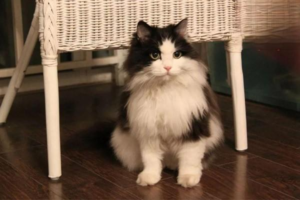
What You Should Know About Vomiting in Cats and Dogs
Vomiting in pets splits into physiologic, from eating too fast or wrong food, and pathologic, from disease. Causes range from diet and gut issues to toxins and organ disease, and the timing of vomiting hints at the source, so see a vet when signs persist.

Medicines You Must Keep Away from Your Dog
Half of pet-poison calls involve dogs eating human meds—NSAIDs, acetaminophen, antidepressants, and more. Store all medicines locked away and never mix dog and human pills.