Search Results
121 results for “dog teeth brushing”
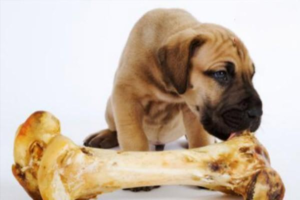
Should Dogs Eat Bones? How to Do It Safely
Vets often warn against bones because they are hard to digest and can block the gut, yet they also clean teeth, calm boredom, and add calcium. If you do give them, choose raw, large, non-hollow bones and avoid cooked poultry bones that splinter; cartilage, pressure-cooked bones, fish heads, necks, tails, frames, and pork fans are safer picks.
At What Age Can a Teddy Start Brushing Its Teeth?
A Teddy can start brushing at 2 months, when teeth are usually all in. First brushing is resisted, so pre-acclimate it to touch--use soft gauze with a little pet toothpaste on teeth and gums for about two weeks, then try a dog toothbrush and paste.
How to prevent dog bad breath?
Bad breath comes from poor digestion or oral disease, so manage diet, avoid too much meat, and give probiotics. Brush 3 to 4 times weekly, or use gel, rinse, or dental sticks if it hates brushing.
How often should a dog have its teeth professionally cleaned?
A dog should have its teeth professionally cleaned about once a year, or as advised by a vet based on tartar buildup and oral health, since home brushing alone may not remove hardened deposits. Anesthesia is usually needed for a thorough cleaning.
What happens if a dog has tartar (dental calculus)?
Tartar progressively erodes teeth and loosens gums, lets bacteria reach the heart and organs, and leads to periodontitis and tooth loss. Professional cleaning and regular brushing are needed.

Why Does My Dog Bleed When I Brush Its Teeth?
Bleeding during brushing can come from a too-hard brush, wrong technique, vitamin deficiency, or mouth disease. A hard brush or poor method can nick the gums. Use dog-specific brush and paste and learn the right technique. If bleeding recurs, see a vet to find and treat the cause.
What happens if a dog eats sticky food?
Avoid very sticky foods. Sticky items like glutinous rice cling to teeth and, without brushing, breed bacteria and tartar. Fast eaters may choke if it sticks in the throat. Sticky rice is also hard to digest, causing bloating, pain, vomiting.
How to remove fishy odor from a dog’s mouth?
A dog's mouth odor may come from oral or digestive issues. Manage diet (less meat, avoid long-term soft food, feed probiotics and vitamins) and maintain oral hygiene by brushing daily and using pet mouthwash or dental gel after meals.

What to Do About Worn Dog Teeth
Dog teeth wear naturally with age and faster from hard food, constant chewing on tough items, or impact. Manage it with a softer, balanced diet, regular brushing, and veterinary checkups; severe wear that hurts eating may need professional cleaning, repair, or extraction.

The Hidden Cost of Ignoring Your Dog’s Tartar
Tartar causes more than bad breath — it harbors bacteria that trigger gingivitis and periodontitis, erode the alveolar bone, and loosen teeth. Bacteria entering the bloodstream via gum wounds can cause sepsis, nephritis, or myocarditis, shortening a dog's life by 2–3 years. Treat with professional cleaning (and extraction if severe), and prevent daily with brushing, dental wipes/gel, and chews.