Search Results
32 results for “dog summer treats”

Welsh Springer Spaniel
The Welsh Springer Spaniel is an ancient flushing spaniel, mainly found in the U.S., valued as a hardworking gun dog and a moderate-sized, affectionate companion. Its weather-resistant red-and-white coat needs sensible care.

saluki
The Saluki, also known as the Persian Greyhound, is an ancient sighthound from Egypt, prized for its elegant, lean build and long, silky ears and tail. A noble, loyal, and gentle companion, it needs plenty of exercise and space.
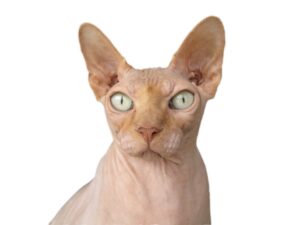
Sphynx
Sphynx (details)

Ragdoll
Ragdoll (details)

Campbell’s Dwarf Hamster
The Campbell's dwarf hamster is the most short-tempered of the hamsters, and looks very similar to the three-lined (Djungarian) hamster, with little individual difference. Some Campbell's dwarf hamsters have red eyes.

Rhinelander
The Rhinelander is a pet rabbit breed that is not very common in China. Its distinctive trait is its 'tricolor' coat—a white base marked with two other colors. While such markings are common in cats, a rabbit with this look is certainly unique.

Key Things to Know When Raising a Golden Retriever
Golden Retrievers are large, long-haired, active dogs that shed and need daily exercise plus coat care. This guide covers exercise, feeding, vaccination, stool checks, training, and bath frequency.

Caring for a Chinchilla
Chinchillas are delicate vegetarians that often die from wrong food and heat. Choose a healthy, calm youngster, house it in a plastic-free cage at 8–25°C, feed a hay-based diet, and keep its environment quiet and let it clean itself in dust baths.

Are Chinchillas Easy to Keep, and How Much Do They Cost?
Chinchillas are fairly easy: gentle, quiet, clean, and light eaters, living 15+ years. Prices run 300-500 yuan for standard grey up to 3000-5000 for rare colors. Downsides: timid, heat-intolerant (die above 30 C), limited bonding, and fragile digestion.

Why Pets Gain Weight After Spaying or Neutering
An intact cat's base metabolic rate is about 30 percent higher than a neutered cat's, so the same food leads to faster weight gain after the procedure. Obesity raises the risk of heart disease, diabetes, high blood pressure, arthritis, fatty liver, and more. The fix is diet and exercise: feed timed, smaller, high-protein low-fat meals, drop the treats, and keep moving, with low-impact activity like swimming for joint-prone breeds.
- « Previous
- 1
- 2
- 3
- 4
- Next »