Search Results
37 results for “dog stress relief”

Symptoms and At-Home Medication Treatment for Canine Distemper and Feline Panleukopenia
Distemper disease is a highly contagious viral disease with a high fatality rate, usually showing symptoms such as high fever, vomiting, diarrhea, loss of appetite, lethargy, and increased eye and nasal discharge. Common pets such as dogs and cats may be infected with the distemper virus, and the most effective way to prevent viral infection is vaccination. Today we explain knowledge about distemper disease around canine distemper and feline panleukopenia.

Common Causes, Symptoms and Treatment of Pet Colds
Pets catch colds easily — usually from chills (season changes, baths, drafts, rain, cold floors) or low resistance. A plain cold can worsen into something serious, so treat it early. Never give human cold medicine (acetaminophen is toxic to dogs and cats); use pet-specific drugs. Learn the warning signs that separate a cold from pneumonia, rhinitis, feline herpesvirus (cat flu) or distemper.

Long-Haired Curly Guinea Pig
The Long-Haired Curly Guinea Pig, also known as the long-curly-haired cavy, is a rare and distinctive guinea pig variety native to Peru and Brazil. With its unique curly long coat and gentle nature, it makes a beloved small pet, though its coat requires regular grooming to prevent matting.
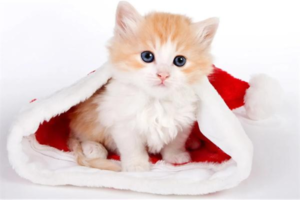
Why Do Cats Stare at the Wall?
It is normal for a cat to stare at a blank wall - it may have seen or heard something that caught its attention. An occasional episode is usually nothing to worry about, but if your cat stares at the wall often and shows other unusual behaviors, take it seriously and have a vet check it to rule out illness.

Why Cats Lick Their Fur
Cats lick hundreds of times a day for many reasons. Cleaning: it removes dirt and parasites and prevents mats. Cooling: in summer, saliva on the fur evaporates and carries heat away. Warming: in winter the fluffed, licked coat traps an insulating air layer. Stress relief: licking soothes anxiety. Vitamin D: skin oils made under sunlight are ingested during grooming. Itch: a rough tongue relieves parasite or bacterial skin irritation. And socially, a cat marks 'own' by leaving its scent, and only the higher-ranked cat gets to groom another - unlike dogs.

Gray Collie Syndrome: Symptoms, Treatment, and Prevention
Gray Collie Syndrome is a fatal inherited disorder of Collie breeds in which cyclical drops in infection-fighting neutrophils leave puppies vulnerable to repeated bacterial illness, with fever, joint pain, and severe gum inflammation. Affected dogs must never be bred.

Feline Infectious Respiratory Diseases: Causes, Treatment, and Prevention
Lethargy, loss of appetite, sneezing, and persistent runny nose in cats often signal an upper respiratory infection, a highly contagious disease that is especially dangerous for kittens.
- « Previous
- 1
- 2
- 3
- 4