Search Results
844 results for “dog stomach”
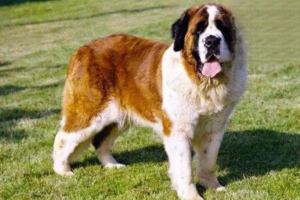
Why Dogs and Cats Vomit After Eating Dry Kibble
Dry food is made by extrusion, which puffs each piece so it swells sharply once it meets stomach fluid — a belly full of expanding kibble is a common reason dogs and cats bolt their food and then vomit. Soaking the food softens it and eases the gut, while slow-feeder bowls, split meals, and probiotics help dogs with sensitive stomachs.

Cooling Ingredients for Dogs with Summer Acne and Bad Breath
Hot weather can leave a dog with bad breath, rashes, or pimples, signs of internal "heat." Cooling foods like luffa, mung bean, barley, and kelp help clear it, though cold-natured ingredients can loosen stools or chill the body, so serve them with the regular diet and check with a vet if unsure.

What to Do If a Dog Is Vomiting Blood
Vomiting blood can point to the throat, stomach, or intestine depending on whether the material is undigested, partly digested, or mixed with clots or coffee-ground matter, and on whether the vomiting comes before or after diarrhea. Distinct patterns flag particular diseases — parvo enteritis (diarrhea then vomit, tomato-juice stool), distemper (vomit then diarrhea with blood), corona (vomit first, eases with diarrhea), and infectious hepatitis (vomit with ravenous drinking) — so the vet matches the pattern to the cause.

Why a Dog Suddenly Vomits (and How It Differs from Regurgitation)
A dog that suddenly vomits may simply have eaten too much, or it could be regurgitating — which is harmless — but it may also signal acute gastritis, a gastrointestinal ulcer, or internal bleeding. Clear foamy vomit suggests gastritis, yellow fluid points to bile from a deeper problem, and any fresh blood means you should rush to the vet.

Treating Dog Vomiting with Traditional Chinese Medicine
Vomiting in dogs comes from a stomach that can't settle and rebels upward — driven by cold-damp invasion, spoiled food, or weak digestion — and TCM sorts it into heat, food-stagnation, and deficiency-cold types, each with its own pattern and formula (Baihu Tang, Baohe Wan, Lizhong Wan). Match the pattern to the remedy rather than treating every vomit the same way.

Dog Breeds That Stay Clean and Low-Odor
If doggy odor puts you off, a few breeds barely smell — some can go a month without a bath and stay fresh. The Shiba Inu, Husky, Toy Poodle, Schnauzer, and Chihuahua top the list for light body odor and easy coats, though Huskies and Chihuahuas come with their own quirks worth knowing.

Why Dogs Vomit Yellow Fluid and How to Treat It
Vomiting yellow fluid is usually tied to diet or gastrointestinal disease, and the underlying cause is revealed by the dog's body condition, feeding routine, and what the vomit looks like. Once you rule out a gastric foreign body or viral infection, most cases from gastritis or gastroenteritis improve with short-term fasting, antiemetics, and gut support.

What to Feed a Sick Dog That Won’t Eat
A sick dog's lost appetite is normal, especially with gut pain, a cold, or sniffles, but the right nudge depends on the cause — warm aromatic food for congestion, brief fasting for vomiting, and tasty canned food during recovery. If it eats nothing for over two days, see a vet.

Should You Withhold Food When a Dog Overeats? How to Help
Overeating strains a dog's stomach, so a short fast plus gentle exercise helps food settle. Hold off on water — kibble swells and can risk gastric perforation — use probiotics for mild indigestion, and withhold food for about three hours if vomiting occurs, but see a vet if it persists. Training your dog to refuse strangers' treats prevents repeat bouts.

What to Do When a Dog’s Gastroenteritis Keeps Coming Back
Recurring gastroenteritis shows up as vomiting, foul watery diarrhea, abdominal pain, and dehydration, often driven by overeating, contaminated food, or weak gut immunity. Prevent flare-ups with fresh clean water, fixed meal portions, and slow-feeder bowls; see a vet promptly if dehydration sets in.