Search Results
426 results for “dog social”

Can Dogs Have ADHD?
Dogs are lively, but there are limits. If a dog can never settle down, it may have ADHD, also called attention-deficit hyperactivity disorder, which impairs focus and learning. Causes include genetics, low blood phospholipid levels, and long-term lack of socialization and exercise; management centers on observation, regular exercise, and social interaction.

How to Stop a Dog Leaking Urine When Excited
Excited urine leaking is not a disease and needs no cure, but it soils floors and harms training, so it can be improved with calm arrivals, separation training, more exercise, and obedience commands.

What Are the Benefits of Exercise for Dogs?
All year round, nothing stops dog owners from walking their dogs. Besides meeting a dog's physical needs, walking also helps the dog exercise. This article explains the benefits of exercise for dogs.

What Stresses Your Dog?
Dogs feel stress too: from eating the same food for years, from poor canine socialization in the city, and most of all from an owner's unstable moods and harsh scolding. Vary the diet, arrange dog playdates, and stay gentle.

Why Does Your Dog Keep Barking?
Dogs bark to seek attention when bored, to express fear or anxiety, or to alert you to something new. Scolding makes it worse—build confidence, reward quiet, and meet its social needs. Respond to excited barking and it settles.

Why Do Dogs Lunge on the Leash?
Many owners have experienced a dog that bolts and pulls so hard on the walk that it is unclear who is walking whom. This article explains what leash lunging is, why dogs do it, and how to correct the behavior safely.

Understanding Dog Separation Anxiety
People under long-term stress easily develop hard-to-cure mental illness. Dogs seem lively but, if poorly cared for, also develop conditions like depression. Some dogs over-dependent on owners never learn to be alone and easily get 'separation anxiety.' Many are unfamiliar with it—like a child crying at kindergarten drop-off. Here is a look at dog separation anxiety.

Do Dogs Have a Rebellious Phase?
Yes—dogs go through a rebellious phase, usually between 6 and 12 months of age. Typical behaviors include acting up, ignoring commands, accidents in the house, boundless energy, aggression, refusing training, and sneaking off. Hormones surge much like human adolescence, and environmental or social changes add to the defiance. The right response is patience and positive guidance, not harsh punishment: give love and understanding, step up training and socialization, keep a stable routine, and seek a professional trainer if needed. With consistency, your dog will grow through this stage.

How Do Female Dogs Choose a Mate?
A female dog picks a mate by several factors—genetic strength, social rank, appearance, and temperament—to improve offspring survival and health and secure better resources. She judges a male's health and background through scent, observation, and behavior, and becomes proactive once she chooses.
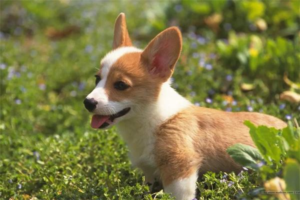
Why Won’t My Dog Let Other Dogs Sniff Its Behind?
Butt-sniffing is how dogs greet and exchange information like sex, age, and health. A dog that refuses may be shy or timid, have had a bad social experience, or lack trust with the other dog. Respect its comfort and build trust through safe, gradual socialization.