Search Results
426 results for “dog social”
Honest Talk: Why a Labrador Retriever May Not Be the Right Dog for You
Labradors are among the most popular dogs, but they are highly excitable — they bolt, jump on people, and mature late, needing patient training over a longer time. Because they aren't aggressive and trust strangers, they can be led away if not watched. Adult Labs are true medium-energy sporting dogs needing at least 1.5 hours of hard exercise daily, so they don't suit owners short on walk time. They're also prone to hip and elbow dysplasia, inherited cataracts, and obesity — be prepared.

How Do Dogs Show Submission During a Fight?
A dog's submissive behavior during a fight varies with personality, age, and experience. When a dog realizes it is weaker and trusts the other will stop, it may lie down and expose its belly to surrender — but if attacked again, it will get back up and fight. Either way, owners should step in to keep either dog from being hurt.

What Happens If You Don’t Vaccinate Your Dog?
Skipping vaccines puts a dog at real risk of deadly diseases such as rabies, distemper, and parvovirus, and an infected dog becomes a source that spreads illness to other animals and to people. Unvaccinated dogs may also be barred from shows, travel, and some city registrations, and can be fined or even seized. Core vaccines start at 6-8 weeks and repeat every 2-4 weeks until the series is done. Keep the dog healthy before each shot, watch for reactions afterward, and avoid baths until the course is complete.

Why Do Dogs Get Anxious?
Many factors cause dog anxiety, including environmental change, separation from the owner, social anxiety, noise phobia, and over-protectiveness of food or owner. Dogs feel most anxious when tense or insecure, so reduce triggers and help them cope. Build trust through good communication, provide a stable and safe environment, and use proper socialization training.

Are Teacup Dogs Easy to Care For?
Teacup dogs win fans with their tiny, cute looks and gentle nature, but they're fragile and low-immunity, so they need careful, attentive care. They're sensitive to temperature, so dress them warmly in cold weather, and keep up daily grooming—eye-stain cleaning and coat brushing—to stay clean. Feed a high-quality diet sized to them in controlled amounts to avoid obesity. Though small, their health needs are real: regular vet checks, vaccinations, and deworming are essential. With patience and the right know-how, they bring plenty of joy.

What to Know Before Dyeing Your Dog’s Coat
Dyeing a dog's coat is trendy on social media, but done wrong it can harm your pet. Only use dyes made specifically for dogs to avoid harsh chemicals; confirm the skin and coat are healthy first, and skip it for short-haired dogs, whose skin dyes easily irritate. Prep by washing the coat, apply the color carefully away from the eyes and mouth, respect the timing, and rinse gently with a mild pet shampoo. Watch for redness, itching, or breathing trouble afterward and see a vet at once. When in doubt, leave the dye job to a professional salon.

Common Mistakes in Dog Training
Raising an obedient dog depends on steady training, but many owners fall into habits that actually slow progress. A common mistake is waiting until a puppy is older, yet dogs mature fast and the window around three months, when they absorb and mimic readily, is prime learning time. Hitting or scolding is another trap: it breeds fear and resistance and can even trigger aggression, whereas rewards and praise build trust. Changing commands and hand signals mid-training only confuses the dog, so keep each cue consistent. Long, exhausting sessions backfire too, so keep training to 15 to 20 minute blocks in a relaxed mood. Finally, skipping socialization, the practice of meeting people, places, and other animals, leaves dogs timid or reactive. Patient, consistent, positive training paired with good nutrition is what truly shapes a well-behaved companion.

Are Dogs or Cats Smarter?
The question of whether dogs or cats are smarter has no simple answer, because intelligence depends on how we define it. Physically, dogs have roughly twice the number of neurons as cats and a longer history of living alongside humans, which shows in their trainability. Many dogs understand over two hundred words and read human body language and emotion with ease. Cats, however, are independent problem-solvers that learn through observation, excel at hunting instincts, and can pick up simple routines like using a litter box. Rather than competing, each species displays a different kind of cleverness: dogs through social cooperation, cats through intuition and independence. In the end, both bring unique joy and companionship, so the scoreboard matters far less than the bond you share.
Why Do Dogs Love Riding in the Car?
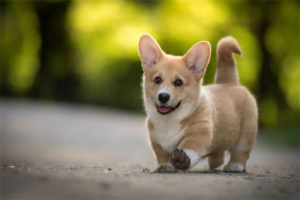
Many dogs get wildly excited the moment they hear the jingle of car keys, but the reason goes deeper than simple habit. Riding in the car satisfies a dog's natural curiosity by flooding them with new sights, sounds, and smells through the window. It is also quality bonding time, letting them sit close to their favorite person and share an adventure together. For indoor dogs especially, a car ride is a rare chance to get out, explore, and take in fresh scents. Some dogs even treat the ride as a status symbol, proudly watching the world go by from their special seat. Still, car travel has risks. Owners should secure their dog with a proper safety harness or car seat, keep the cabin ventilated, and help nervous dogs adjust gradually through short, positive training trips.

Why Does Your Dog Bite Your Pant Legs? (And What It Means)
When a dog grabs and tugs at your pant leg, it is rarely out of spite. Most often the dog is trying to get your attention, invite you to play, or signal a need such as an empty food bowl. The swaying fabric can also trigger an inherited prey drive, since a moving pant leg looks like something to chase. In some cases—especially when you pick up keys or put on shoes—it signals separation anxiety: studies show a large share of dogs chew scent-bearing items to soothe themselves when they sense you are leaving. The fix is consistency: ignore the behavior, reward calm following, offer chew toys, and meet the dog's exercise needs. Understanding the motive behind the bite is the first step to changing it, and learning your dog's other body-language cues helps you bond.