Search Results
7 results for “dog snow safety”
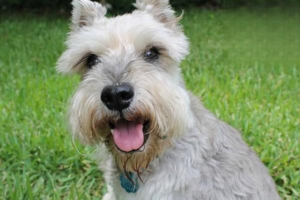
Winter Dog-Care Myths: Clothes, Heating Pads, Overfeeding, and Boots
Common winter mistakes are dressing every dog (double-coated breeds like Huskies need no clothes), using unsafe heated beds, overfeeding because the dog is less active, and leaving boots on too long, which breeds fungus and warps the gait. Dress only short-haired or single-coated dogs in breathable cotton, and keep portions steady through the cold months.
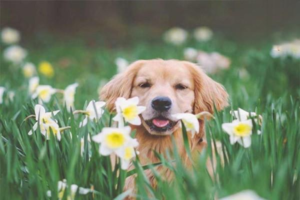
How to Protect Your Dog’s Paws in Winter
Dog paw pads handle cold better than you think thanks to a special circulation that warms them, so boots are more about keeping clean than warm. The real winter enemies are wetness, hidden sharp objects, de-icer, and dry cracking, so dry paws after outings and moisturize as needed.

Causes and Treatment of Tear Stains in Cats and Dogs
Some owners excitedly raise a 'Snow White' or 'Prince Charming', only to see it ruined by two lines of tear stains! Where is the viral pet we were promised?

Walking Your Dog in the Snow
Northern winters snow; after days, snow piles on roads, even cars must be careful. Walking dogs in snow needs extra care. Here are the tips.

Which Small Dog Breeds Are Most Loyal?
Large dogs aren't the only loyal ones — many small breeds are deeply devoted. This guide covers the French Bulldog, Beagle, Pug, Papillon, Chihuahua, Corgi, Bichon Frise, and Poodle and their loyalty to owners.
Winter Dog Care: The ‘Five Do’s and Five Don’ts’ to Save
In winter, keep dogs warm by breed/age (short-haired, small, puppy, and senior dogs need coats outdoors; long-haired breeds don't), add nutritious cooked meats, watch electric-heater safety, groom coats, and protect paws from salt. The five don'ts: no all-day clothing (weakens the coat's insulation), no staying indoors (winter blues), no skipping deworming (every 2–3 months), no drinking snow melt (gut irritation), and no frequent baths (monthly is enough).

Siberian Huskiy
The Siberian Husky is a medium-sized working dog bred by the Chukchi people of Siberia to pull sleds. Friendly, energetic and wolf-like in appearance, it is now a popular but strong-willed companion.