Search Results
254 results for “dog sneezing”

Three Common Dog Illnesses in Autumn and Winter
Cooler months bring three common threats: colds, bronchitis and gastroenteritis. Know the signs, keep your dog warm and dry, and consult a vet if symptoms linger or worsen.

Distemper in Dogs: Aftermath Symptoms and Treatment
After a dog is infected with the virus, it easily develops distemper, a highly contagious disease. Early signs include fever, lethargy, loss of appetite, diarrhea, colds, runny nose, and sneezing; in mid-to-late stages temperature rises, discharge from nose and eyes thickens, and coughing begins; later the dog weakens, with limb spasms, vomiting, and diarrhea, sometimes leading to death. Some dogs that survive with treatment still develop various aftermaths.

Dog Vomiting Yellow Fluid and Lethargic: Causes and What to Do
A dog that vomits yellow fluid and seems lethargic is very likely suffering from gastroenteritis, but other causes are possible, so a vet visit is needed to diagnose the real reason. Here are the causes and symptoms of a dog vomiting yellow fluid and acting lethargic.

What Medicine to Give a Dog With a Cold
As temperatures drop and daily temperature swings widen, dogs with weaker immunity can catch colds, with sneezing, runny noses and fevers. This article explains how to recognize a dog cold and how to treat it safely based on the dog's weight.
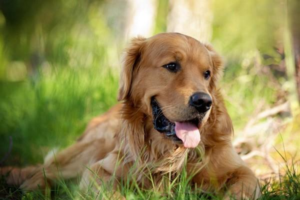
Is Your Dog Panting Hard Because It’s Tired?
Dogs pant for many reasons — heat, fatigue, or illness such as bacterial infection, pneumonia, bronchitis, even asthma. Panting is not always just tiredness. Learn to tell normal panting from asthma.

Dog and Cat Vaccines: Types, Schedule & Precautions
Vaccination is the most effective defense against infectious disease in pets. This guide covers dog and cat vaccine types (distemper/parvo, FVRCP, rabies, kennel cough), schedules, and key before/after precautions including deworming and timing.

Common Causes of Shivering in Cats and Dogs and How to Manage Them
Shivering is body trembling from cold, emotion, disease, or weakness—common in pets, and seizures include it. Causes range from simple cold to poisoning or infection; this article reviews them.

What to Do When Your Dog Has a Runny Nose with Blood, and What Causes It?
A dog with a cold usually has clear nasal discharge, or thick pus if inflammation is severe. But a runny nose with blood is more than a simple cold. This article explains the common causes and solutions for bloody nasal discharge in dogs.

What to Do When Your Dog’s Nose Is Blocked and Stuffy?
Like people, dogs can catch colds and fevers and have stuffy noses. Seeing a dog with a blocked, congested nose and difficult breathing is distressing. This article explains the causes of nasal congestion in dogs and how to relieve it.

Upper Respiratory Diseases in Dogs and Cats: Types and Treatment
Upper respiratory disease is common in dogs and cats, with sneezing, tearing, low appetite, and breathing trouble, and it often triggers secondary infections. This guide covers colds, nosebleed, rhinitis, laryngitis, and tonsillitis, with the drugs that help each.