Search Results
240 results for “dog sneezing”
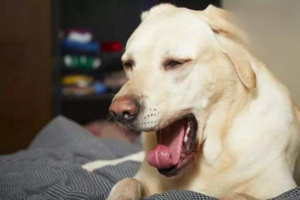
What to Do When a Dog Keeps Sneezing
A dog that sneezes non-stop is usually reacting to an irritated nose — strong smells, allergies, or a chill — and only rarely a viral disease. Matching the trigger to the fix settles most cases quickly, with a vet visit reserved for fever and lethargy.
My dog keeps sneezing with very short intervals — that counts as frequent sneezing, doesn’t it? Is it a cold?
Frequent sneezing often points to a cold — sneezing and a runny nose are early cold signs. To confirm, check for other symptoms (cough, low energy, reduced appetite, runny nose, rising temperature); two or three together suggest a cold. Treat with a vet-recommended canine cold medicine or a vet visit, promptly, to avoid worsening.
At lunch my dog was sneezing even while eating — that’s a cold, right? What should I do?
Frequent sneezing is not normal. Mild sneezing is occasional (once or twice an hour); frequent sneezing means five or six times an hour and lasts longer. Regular sneezing can signal illness — a veterinary check is advised.
My dog has been sneezing repeatedly all day and its nose is dry — could it have a cold?
Repeated sneezing with a dry nose in a dog is usually an early sign of a cold; a runny nose, fever and cough follow as it worsens. A canine cold medicine helps, but a vet visit is the safe call if symptoms persist.
My dog has been sneezing frequently today and its nose is dry — is this a cold?
Frequent sneezing with a dry nose in a dog usually signals a cold: the discharge dries the nose out and the dog licks it constantly. A canine cold medicine can help, but a vet visit is the safe call if symptoms are severe.
How Dogs Catch Canine Distemper
Canine distemper takes hold when a dog with low immunity meets the distemper virus — after a 1–2 week incubation, the virus flares and causes diarrhea, coughing, sneezing, and vomiting. Common triggers are cow's-milk diarrhea, spoiled meat, incomplete or failed vaccination, chills, early walks, stress, and skipped deworming. The single best defense is a full vaccine course (the six-in-one core shot) starting around two months of age.

Why Dogs Sneeze and What to Do
A sneeze isn't always serious — excitement, dust, or perfume can trigger one that passes on its own. But a sneeze that lingers, especially with nasal discharge, can point to a cold or a deeper problem (upper-respiratory, even neurological), and warrants a vet visit before complications set in.

Treating a Dog’s Cold: Medication, Injections, and Costs
Mild dog colds need only warmth, rest, water, and good food, but persistent cases call for medication or injections. Treatments range from anti-inflammatories and eye or nose drops to fever-reducing and interferon shots, with a typical fever shot running a few dozen yuan depending on symptoms and clinic.

Distemper vs. a Common Cold in Dogs
A common cold brings lethargy, appetite loss, weepy eyes, cough, and runny nose, while canine distemper adds thick white or yellow eye/nose discharge and nervous signs like seizures. Distemper is fatal in over 50% of adults and up to 80% of puppies, so any unsure or worsening case must reach a vet immediately.

What to Do If a Dog Keeps Vomiting After a Cold
A dog that vomits with a cold — dry heaves or clear mucus plus cough, runny nose, and sneezing — usually just needs warmth, pet cold medicine, probiotics, and broth. But unstoppable vomiting can signal viral disease, gastroenteritis, or parvovirus and needs immediate veterinary care.