Search Results
254 results for “dog sneezing”
Why won’t my dog eat but is otherwise lively?
A dog that skips food but stays energetic may have mild indigestion (try probiotics) or simply be picky, or be in heat. Watch for cough, sneezing or stool changes to rule out illness.

How Is Aspiration Pneumonia in Dogs Treated?
Aspiration pneumonia in dogs follows inhaling a foreign object, liquid, or bacteria into the airway, causing cough, rapid or labored breathing, and nasal discharge. Vets diagnose via imaging, blood work, and culture/sensitivity, then treat with oxygen therapy, antibiotics (guided by culture), and supportive care—severe cases need hospitalization. Prevention means keeping harmful substances away and seeing a vet at the first cough.
Winter Dog Care: The ‘Five Do’s and Five Don’ts’ to Save
In winter, keep dogs warm by breed/age (short-haired, small, puppy, and senior dogs need coats outdoors; long-haired breeds don't), add nutritious cooked meats, watch electric-heater safety, groom coats, and protect paws from salt. The five don'ts: no all-day clothing (weakens the coat's insulation), no staying indoors (winter blues), no skipping deworming (every 2–3 months), no drinking snow melt (gut irritation), and no frequent baths (monthly is enough).
Why is my dog vomiting white foamy mucus?
White foamy vomit can signal gut or respiratory issues - indigestion from bad diet, possible gastroenteritis/pancreatitis, or foreign-object blockage needing an X-ray. If it's cough-induced phlegm, treat a respiratory infection and rule out pneumonia or distemper.
How to identify kennel cough in dogs?
Kennel cough is contagious; confirm via antigen tests or PCR. Early signs mimic a cold (dry/wet cough, runny nose), but the classic sign is tracheitis - frequent cough, sneezing, runny nose, fever, poor appetite - and can become pneumonia. See a vet if seen.
How to Tell If a Dog’s Cough Is Kennel Cough
Kennel cough is a contagious respiratory disease; suspect it with a harsh 'honking' cough that looks like retching, a pained look, and white foamy mucus, while energy and appetite stay normal. It lingers 1–3 weeks (unlike a 1–3 day plain cough) and follows contact with other dogs or busy pet places — unvaccinated puppies under 6 months are most at risk. Isolate, ease the neck (use a harness), and see a vet; never give human cold medicine.
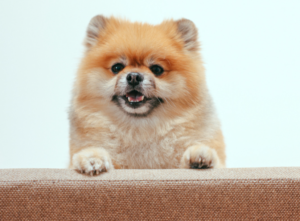
Why Does My Dog Keep Hiccuping?
Occasional hiccups are normal in dogs, but frequent or long-lasting hiccups can mean eating too fast, gas-forming foods, acid reflux, a respiratory infection, or a gut problem. Use a slow-feed bowl and small frequent meals, avoid strenuous play right after eating, and see a vet if hiccups come with appetite loss, lethargy, pain, vomiting, or a dry cough.
Can dogs eat lemon?
Lemons are unsafe for dogs. The strong scent causes sneezing, the high acidity irritates the stomach and can cause drooling, vomiting, or diarrhea, and excess vitamin C may harm older dogs' kidneys. Avoid giving dogs lemon or lemon water.
What smells are dogs afraid of?
Dogs have a highly sensitive sense of smell and react badly to pungent odors such as paint, citrus peel, tobacco, perfume, and disinfectants. Exposure can cause sneezing, nasal congestion, and eye irritation, so keep such items away from your dog.
Watch Out: Common Food Allergens for Dogs
Common dog food allergens include beef, chicken, dairy, grains (wheat, rice, corn), legumes, lamb, and eggs; reactions can show as skin redness, itching, rashes, hair loss, soft stool, diarrhea, vomiting, eye redness, tearing, sneezing, or runny nose, and in severe cases can be fatal. To find the culprit, start with an ultra-hypoallergenic commercial diet, then add one new ingredient at a time and watch for 1–2 weeks, stopping any that triggers symptoms.