Search Results
46 results for “dog sleeps with owner”

Why Does My Dog Sleep on My Bed?
Reasons dogs sleep on the owner's bed: the owner's scent brings security; the bed is soft and comfy; they want closeness; they think it's allowed; and curiosity. In all, pack instinct, comfort, social need, and quiet drive it. If you don't want it, train them.
What does it mean when a dog barks at empty air?
Barking at air usually means the dog heard an odd noise and warns the intruder and owner; secure doors and windows if alone. Too much daytime sleep causes night barking for attention; walk and play more. For night barking, use a quiet room and reward quiet.

What Causes a Dog to Be Lethargic and Sleep So Much?
Dogs may sleep more than usual for harmless reasons—puppies and seniors need extra rest, and heat or boredom can trigger dozing—but sudden or persistent lethargy can signal pain, illness, or conditions such as heart disease or diabetes. Watch for other symptoms and consult a vet if something seems off.
What are the symptoms of a dog having diarrhea from catching a chill?
A chilled dog with diarrhea shows soft stools, vomiting, low appetite, lethargy, sneezing, runny nose, and sleepiness. Keep it warm, give pet anti-inflammatory and anti-diarrhea medicine, and add cold medicine if needed. If it does not improve, rule out distemper or parvo.
Early Warning Signs of Heart Disease in Dogs
Heart disease isn’t only an old-dog problem—clinics see four- and five-year-olds, even two-year-olds, with valve disease or myocardial hypertrophy, especially in small breeds like Toy Poodles and Pomeranians. Early on there are almost no symptoms; by the time coughing, fainting, or a purple tongue appears, the disease is usually advanced. Under the ACVIM staging system, Stage B1 is the “golden window” most owners miss: subtle structural changes with no heart failure yet, showing only quiet behavioral shifts like less activity or a changed sleeping posture. Catching it then—often without medication—can keep a dog stable for life. This article outlines the staging, the early behavioral signs, and the daily care that protects a vulnerable heart.

How to Show Your Dog You Love It (in a Language It Understands)
Dogs may not speak, but their emotional world is rich. Brain-imaging work at Emory University shows a dog's brain reacts to its owner's voice and scent in areas similar to where humans process emotion, so your affection is a real signal your dog can feel. You can speak its language through soft eye contact (which raises oxytocin in both of you), calm pressure-petting, high-engagement play, frequent praise, leaving a scented item in its bed, and keeping a predictable routine. These small daily acts lower stress and deepen the bond far more than words alone.

What Are the Signs That a Dog Is Sick?
Dogs cannot tell us in words when they feel unwell, so owners must read the signals their bodies send. A sick dog may show a sudden drop in appetite, much less energy, or unusual tiredness after light play. Vomiting and diarrhea often point to digestive trouble, parasites, or infection, while heavy shedding beyond the normal amount can signal skin allergies, pests, or nutritional or hormonal problems. A temperature above 39.5°C, rapid or labored breathing, and a fast heartbeat suggest fever, respiratory or heart issues that need prompt care. Pain and discomfort can also change a dog's mood, making it withdrawn, anxious, or snappy. If you notice any of these signs, see a vet for diagnosis and a treatment plan. Prevention helps too: keep up with deworming and vaccines, feed balanced clean food, keep the home dry and sanitary, and add warmth during seasonal changes.
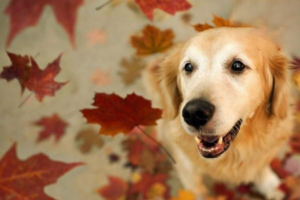
How Much Do Dogs Sleep?
Owners sometimes worry a dog sleeps too long, but sleep is as vital for dogs as for us - short sleep makes them listless by day. Need varies by age: newborns sleep about 22 hours, leaving only meal times awake; around one year they sleep about 14 hours as they grow and play; and senior dogs (six-seven years is middle-aged for a dog) do not sleep less - they need plenty to slow aging. Most of that time is light sleep, and a dog stirring at small noises is perfectly normal, not a problem.

Can You Keep a Dog While Living Alone?
For a nine-to-five worker, the biggest worry is whether you can manage feeding and care, and what a dog does alone all day. The key issue is keeping up with three to four meals a day while a puppy is young; solve that and the rest falls into place. A dog also brings real security and warmth to a solo household.
Why does my dog’s ear twitch while sleeping when it never used to?
Ear twitching during sleep is usually dreaming or staying alert. After settling into deep sleep without disturbance, dogs may twitch from dreams — normal and harmless. In light sleep they stay alert to faint sounds and twitch or perk their ears to read the environment.