Search Results
261 results for “dog skin spray”

Why Your Dog Keeps Scratching with White Flakes
White flakes usually mean either a missed bath or ringworm. If you bathe monthly and the flakes persist, suspect ringworm — look for hair loss, red skin, and scabs. Treat early spots with spray alone; clip and combine spray and ointment for widespread cases.
Why Your Dog’s Legs Are Itchy with Bumps
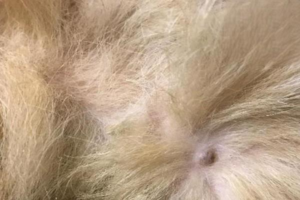
Itchy bumps on the legs often point to a parasitic skin disease, usually mites, and can spread over the whole body. Clip the fur, treat with antifungal spray and ointment, add vitamin B, then follow up with external parasite control.

What to Do When Your Dog Has Ringworm on Its Face
Ringworm on a dog's face causes hair loss, itching, bumps, scabs, and redness, and spreads to other pets — isolate and collar the dog first. Disinfect, clip and treat the spot with antifungal spray and ointment, and add nutrition and parasite control.

What to Do When an Alaskan Malamute Has Skin Disease
An Alaskan Malamute with skin disease shows itching, hair loss, and scabs that can spread across its large body if ignored. Clip the affected fur, disinfect, apply antifungal spray and ointment, and keep the environment clean.

What to Do When a Two-Month-Old Puppy Has Skin Disease
A two-month-old puppy with skin disease needs prompt care — low immunity and contact with infected dogs are the usual causes. Tell fungal from parasitic types, then treat with antifungal spray and ointment and follow up with parasite control.

Why Spring Parasite Control Matters for Pets
Spring is peak parasite season, and both internal and external parasites threaten pets and can spread to people. Deworm puppies monthly until six months, then every 2–3 months internally and monthly externally; use vet-recommended products and follow dosing carefully.

The Pros and Cons of Neutering a Male Rabbit
Neutering a buck mainly corrects heat-driven behavior — aggression, spraying, foot-circling, and loss of litter habits — and prevents testicular disease and unwanted litters. The trade-offs are anesthetic risk (higher in rabbits, especially older ones) and a tendency to gain weight, managed with portion control and exercise. For most owners the benefits outweigh the drawbacks.

Spaying and Neutering Pets: Benefits, Risks, and Trade-offs
Neutering returns pets to a calm, pre-heat state and prevents a range of reproductive diseases, but it also raises obesity and some surgical risks. Done before the first heat, it cuts mammary-tumor risk sharply — so weigh the pros against weight control and anesthesia.

Do You Need a Rabies Vaccine After a Ragdoll Cat Scratches or Bites You?
A cat kept strictly indoors with no exposure to stray animals and vaccinated within the past year poses almost no rabies risk, so a scratch or bite usually needs only washing and disinfection. Worldwide, dogs cause about 99% of human rabies cases and cats under 1%, and a cat can only pass the virus during the three days before symptoms appear and while it is sick. When the source cat is unknown, follow the WHO 10-day observation rule and seek vaccination for any bite that breaks the skin.

Which Disinfectants Are Non-Toxic to Pets
Disinfectants are practically a household necessity, especially during a pandemic. Let's first learn about the common disinfectants used in our homes.