Search Results
261 results for “dog skin spray”

What to Do About Eczema in Dogs
If your dog develops eczema, take it to a vet to confirm the cause, then treat with vet-recommended topical and oral medication such as fluocinonide or betamethasone cream and dexamethasone or prednisone tablets. Support healing with skin hygiene, a hypoallergenic diet, an Elizabethan collar, and a clean, low-allergen environment.

Why Does My Dog Have Red, Crusty Skin Patches
Red, crusty spots can come from parasites, fungal or bacterial infection, allergies, or injury. Small wounds can be cleaned with iodine and an Elizabethan collar; larger or spreading patches need a vet skin scrape to find the cause. Early treatment is cheap — don't delay.

Is It Harmful for a Dog to Keep Licking Its Wound?
A dog licking a wound is instinctive and mildly antibacterial, but constant licking keeps the area too moist, slows healing, can trigger a local reaction, and may cause a lick granuloma — so use an Elizabethan collar. Clean minor wounds with saline and pet antiseptic; see a vet for deep, large, or infected wounds, which can turn into sepsis.
How is dog ringworm (skin fungus) treated?
Dog ringworm and other skin diseases are treated based on type: bacterial cases need antibacterial spray and oral meds, while fungal cases require clipping the fur, applying antifungal ointment, and oral antifungals. Keep the area clean and dry.
How do you treat dog ringworm?
Ringworm on dogs indicates skin disease, commonly bacterial or fungal. Bacterial cases need antibacterial sprays plus oral meds; fungal cases need shaved lesions, antifungal ointment, and oral antifungals.
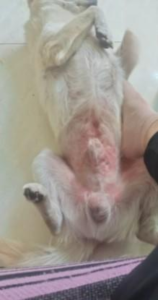
Dog Skin Redness and Hives: A Recovery Case
After a day outdoors, a dog came home with a large red, itchy rash on its belly—likely bacterial eczema or allergic dermatitis/hives. Left unchecked, such redness spreads fast and itches intensely. With an antimicrobial skin spray, zinc oxide ointment, and an oral antihistamine, the redness faded within a few applications. Catch it early and see a vet if it spreads.

How to Prevent Dog Asthma Attacks
Dog asthma cannot be cured, only controlled through careful care, which usually keeps attacks at bay. To lower the chance of an attack, keep the environment clean and disinfected, groom the dog regularly, ventilate the home and avoid strong smells, and prevent intense exercise or over-excitement. If an attack happens, consult a veterinarian before giving any medication; never dose blindly. With good management, asthma can be controlled effectively.

Keep These Cleaning Products Away from Your Dog
Household cleaners carry more hazardous chemicals than you think, and they are far worse for dogs. Dogs spend nearly all their time on the floor, touching cleaners directly and absorbing them through paw pads and skin; even off the floor, their keen noses inhale the toxins. Five chemical groups to watch: ammonia (toxic, irritates the respiratory system; in glass/stainless cleaners, floor wax)—seek vet care if ingested. Chlorine/bleach (vomiting, diarrhea, burns, even seizures; in toilet/mold cleaners, detergent). Phthalates (linked to liver, testicular, pancreatic tumors; in nail polish, hairspray, soap, shampoo—avoid in dog toys). Glycol ethers (liver, nerve, digestive harm; in multipurpose/carpet/glass cleaners, hand soap; even 'natural' ones). Formaldehyde (irritates eyes/skin, slows breathing; in perfume, tissues, hand soap, nail polish). Also avoid 84 disinfectant (bleach-based, corrosive, causes chronic rhinitis).

Should You Shave a Dog With Skin Disease?
Whether to shave a dog with skin disease depends on the cause. Fungal ringworm, mange mites, severe inflammation and eczema often benefit from clipping so medicine reaches the skin and the area stays clean and observable. But allergy- or hormone-driven skin problems do not improve with shaving and may even weaken the skin's defences. Always have a vet examine the dog under a microscope first, then treat the cause, and keep the environment cleaned with disinfecting tools.

Skin Disease in Collies and Other Herding Breeds: Why Medication Must Be Chosen Carefully
Collies and related herding breeds often carry an MDR1 gene mutation that prevents normal drug clearance, making them dangerously sensitive to certain parasiticides such as ivermectin. Skin problems are treated as in any dog, but parasite control and other medications must be chosen with a veterinarian to avoid toxicity.