Search Results
422 results for “dog skin infection”
After the Swim: Preventing Ear Infections, Skin Trouble, and Tummy Upsets in Dogs
Swimming is a great low-impact workout that cools dogs off and supports their joints—but skipping the clean-up afterward can lead to three common problems: ear infections, skin irritation, and digestive upset. A dog’s L-shaped ear canal traps water that shaking alone won’t fully remove, creating a warm, moist space where yeast and bacteria thrive. Thick or double coats that aren’t fully dried breed the same trouble on the skin. And a cold abdomen plus post-swim air conditioning or ice water can upset a sensitive gut. The fix is simple: clean and dry the ears, blow-dry the coat layer by layer (especially armpits, belly, and paw folds), and let the dog rest before any AC, cold water, or rough play—offering a probiotic if its stomach is delicate.

How to Treat Fungal or Bacterial Skin Infection in Dogs
Fungal dog ringworm is treatable, fast if caught early and slower (4–6 weeks) if widespread. Clip the fur, apply antifungal spray and ointment, add vitamin B, and keep the environment clean to stop reinfection.

What Causes a Lump on My Dog’s Neck?
A lump on a dog's neck can come from poor drug absorption after an injection, a salivary gland leak, insect bites, lipomas, or trauma. Watch for growth, rupture, or itching; a lump that keeps growing needs a veterinary visit.

Can Dogs Get Tumors Too?
Dogs can get tumors; common drivers are genetics, diet, and physical or chemical factors (UV, infection, radiation). They split into subcutaneous (a palpable lump; slow growth suggests benign, fast suggests malignant) and internal (found by ultrasound, X-ray, or biopsy). Types include mammary, lipoma, melanoma, lymphoma, and mast cell tumors.

How to Treat Dog Keratitis
Dog keratitis shows as discharge and red conjunctiva and worsens without prompt care. It splits into acute, chronic, and purulent forms; treat with chloramphenicol or warm/cold compresses, flush acute cases with boric acid or rivanol, and address the root cause (distemper, chlamydia, allergy, chemical burn).

Symptoms of Hookworm Infection in Dogs
Mild hookworm infection often shows no clear signs — mainly weight loss, pica and poor digestion. Severe cases bring pale mucous membranes, reduced appetite, vomiting, thin coat, arched back and even bloody stool. This article details canine hookworm disease.

Symptoms and Treatment of Seborrheic Dermatitis in Dogs
Canine seborrheic dermatitis is linked to genetics, hormonal imbalance, nutritional deficiency and skin infection. Affected dogs often give off a distinct odor along with hair loss, mild itch, and greasy yellow buildup on the skin. This article explains the symptoms, causes and treatment.

First Aid for Common Dog Injuries at Home
At-home first aid for dogs covers scrapes, bites, burns, fractures, and sprains. Clean small scrapes with iodine, control bleeding and disinfect larger wounds, flush burns with cool water, immobilize fractures and rush to the clinic, and ice sprains then rest. Always use an Elizabethan collar and update the rabies vaccine after bites.
How to Teach Your Dog to Swim in Summer
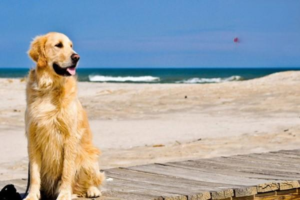
Swimming is great summer exercise that cools a dog and burns energy, but not every dog knows how. Prepare with a 10-minute land warm-up and no food for an hour before, bring a life jacket and leash, and pick a clean pool of moderate depth. Comfort the dog into the water, carry small dogs like a baby and large dogs with a U-hug, avoid midday heat, and rinse the dog afterward to prevent skin and eye infection.

Precautions for Taking Your Dog Swimming
Swimming is great summer exercise, but a dog's first time is frightening and needs calm coaxing with a life ring. Carry large dogs with a U-hug around the belly and small dogs like a baby, avoid the midday sun, cap sessions at about 5 minutes for unfit or older dogs, and watch for panting or cramps. Rinse the dog afterward and keep short-nosed or sick dogs out of the water.