Search Results
528 results for “dog skin infection treatment”

What Causes Fungal Infections in Dogs
Fungal skin infections in dogs are driven by damp living conditions, poor bathing habits, and weak immunity from a limited diet. Spotting the ring-like patches early, applying antifungal care, and isolating the dog keep the infection from spreading to other pets and people.

How to Treat Folliculitis in Dogs
Folliculitis shows up as red, swollen skin with tiny black specks at the hair roots that come off easily when wiped. Mild cases respond to gentle cleaning and an antibiotic ointment; severe ones need a vet visit or medicated bath. Keeping the coat dry and clean is the best prevention.

How to Treat Mite Skin Disease in Dogs
Mite skin disease keeps coming back because the mites live in the environment as much as on the dog. Treatment means medicating the affected spots, deep-cleaning the home, and boosting the dog's immunity—prevention through diet, parasite control, and limited contact with strays is what stops recurrence.

Why Your Dog Keeps Scratching Its Ears
Frequent ear scratching usually points to an ear problem—most often ear mites, a fungal infection, or a foreign object lodged in the canal. Spotting the signs early prevents a minor itch from becoming a painful infection or even hearing loss.

Why Your Dog Has Red Spots on Its Belly
Red spots on a dog's belly usually come from a bacterial or mite (mange) infection, or from a skin condition made worse by heat and moisture. Pinpointing the cause lets you treat it correctly—antibiotics for bacteria, mange therapy for mites, and a vet visit when it spreads.

What to Use for a Puppy With a Mite Infection
Mites are among the most common causes of dog skin problems, and they spread easily through dirty surroundings or play with other dogs. Treatment combines environmental disinfection, the right topical or ear medication, and immune support — with a vet visit for anything severe.

Can Dog Ringworm Spread to Humans, and How Likely?
How easily dog ringworm passes to people depends on immunity—those with weak resistance face a real risk, so be careful during treatment. Wash hands after every contact; human infection appears as round red spots, scaling and itch.
How do you treat a Poodle’s skin condition, and what medicines work best?
Treating a Poodle's skin condition starts with a vet skin scraping to identify the type — fungal, bacterial, parasitic, allergic, or endocrine. Treatment is then matched: antifungal ointment for fungus, antibacterial spray and oral meds for bacteria, parasite control for external parasites, antihistamines for allergic dermatitis, and gradual management for endocrine issues. Use an Elizabethan collar and keep the bedding clean.
I bathed my Toy Poodle just two days ago, but today its skin has lots of white dandruff — what’s going on?
White dandruff often points to a fungal infection (dog ringworm), which also shows scabs, hair loss, itching, and flakes. Watch for scratching — if present, it's likely ringworm, treatable with a vet-recommended topical skin treatment on the affected area.
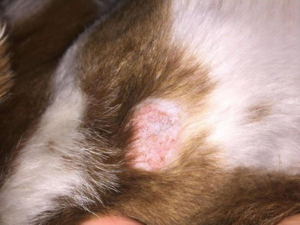
Can Dog Fungal Infection Be Cured?
Yes — fungal infection (dog ringworm) is curable but stubborn, so treat at once to stop it spreading. Isolate, collar, disinfect with povidone-iodine, apply antifungal ointment and spray, and keep the environment clean.